
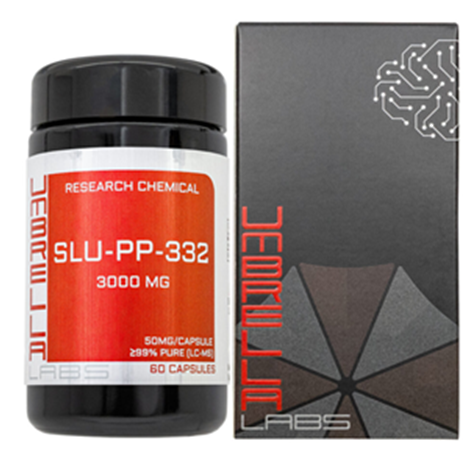
TUCSON, Ariz., Sept. 21, 2026 (GLOBE NEWSWIRE) — Umbrella Labs today announced an updated documentation and traceability framework for SLU-PP-332 research material supplied strictly for laboratory developmental research use only. The company update is part of an ongoing effort to standardize material identification, batch references, research-use-only language, and record continuity across research chemicals used in multi-stage laboratory workflows.
Under the updated framework, Umbrella Labs is aligning the way SLU-PP-332 is identified and referenced across receiving information, internal records, supporting documentation, and research-facing material records. The objective is to create a consistent documentation structure that reduces differences in naming, formatting, and reference terminology when the same research material appears across purchasing records, laboratory inventory systems, analytical files, and later study documentation.
The update focuses specifically on operational documentation and research record continuity rather than health-related or outcome-based claims. SLU-PP-332 is maintained as a laboratory research input for controlled analytical and experimental work, and Umbrella Labs is emphasizing a documentation-first approach intended to make the material easier to track throughout longer research projects. Consistent naming, batch identification, format descriptions, and research-only scope statements are being treated as core components of the company’s broader research documentation standards.
As part of the update, Umbrella Labs has consolidated the primary SLU-PP-332 identity and format information into a stable reference intended to support consistent records across research workflows. The SLU-PP-332 research reference maintained at https://umbrellalabs.is/shop/research-chemicals/research-chemical-capsules/slu-pp-332-powder/ can be used when laboratories need to align receiving information, internal inventory entries, method documentation, and study records around the same material reference. Maintaining one consistent reference can reduce administrative differences when separate operators document the same research input or when an experiment is repeated later under the same project. Laboratories buying for research can use the reference as part of their own internal documentation chain while continuing to follow institutional procedures for material handling, analytical work, and recordkeeping. The update does not change the strict laboratory research use only scope associated with SLU-PP-332.
Company Update Centers On Documentation Consistency
The SLU-PP-332 announcement is focused on a specific operational issue that can affect multi-run research programs: documentation drift.
A research material may be referenced multiple times before an experiment is complete. It can first appear in procurement documentation, then in a receiving record, an inventory entry, a preparation worksheet, an analytical run file, and eventually a project report. If each stage uses different naming conventions or slightly different reference information, records that should connect cleanly can become fragmented.
Umbrella Labs is addressing that issue by establishing a more consistent reference structure for SLU-PP-332.
The company update creates a common documentation baseline that can be carried across internal records and used by research organizations when matching supplier-side information with their own laboratory documentation.
This approach is designed to support record clarity rather than prescribe experimental procedures.
Standardized SLU-PP-332 Naming
A central part of the update is consistent naming.
Research chemicals can accumulate shorthand terms, punctuation variations, capitalization changes, and informal identifiers as information moves between systems. Over time, these differences can result in duplicate inventory entries or make historical records more difficult to search.
Umbrella Labs is standardizing SLU-PP-332 as the preferred primary naming format across the updated documentation framework.
Consistent naming makes it easier to match records created at different points in a research project. A receiving record created at the beginning of a study can be compared directly with a later analytical document without first determining whether two slightly different name strings refer to the same research material.
This becomes increasingly important when work is distributed across operators, instruments, or separate phases of a project.
Identity-Field Alignment
Umbrella Labs is also aligning how material identity fields are presented in SLU-PP-332 documentation.
The purpose of this change is to create predictable placement and terminology for the information laboratories commonly reference when establishing internal material records.
Research organizations may use different inventory or laboratory information management systems, and the company update is not intended to replace those systems. Instead, the supplier-side documentation is being structured so laboratories have a stable reference that can be mapped to their own internal requirements.
Predictable identity fields can reduce transcription errors and simplify administrative review when researchers compare earlier and later records.
For long-term projects, that consistency can help preserve continuity even when the original operator is no longer responsible for the work.
Traceability Across Research Workflows
Traceability is another central component of the SLU-PP-332 update.
Umbrella Labs is strengthening the relationship between material identifiers, batch references, and supporting documentation so records can be followed more consistently from receiving through later research use.
In multi-run laboratory work, traceability can be important when researchers need to determine whether an observed difference between two experiments is associated with an intentional experimental variable or with a difference in the recorded material.
A clear reference chain helps laboratories answer basic administrative questions before they begin investigating more complex analytical explanations.
The updated framework is intended to make those checks more straightforward by maintaining consistent terminology and reference structure.
Research Use Only Scope Remains Central
SLU-PP-332 referenced in this announcement is provided strictly for laboratory developmental research use only.
Umbrella Labs is maintaining that scope throughout the updated documentation structure so research-only language remains consistent wherever the material is referenced.
The company update does not introduce clinical, diagnostic, therapeutic, medical, veterinary, or household positioning.
This distinction is important because the purpose of the announcement is an operational documentation update involving a laboratory research material. Umbrella Labs is not using the release to present biological outcome claims or to describe non-research applications.
Consistent research-use-only language also helps laboratories maintain cleaner internal records when supplier documentation is incorporated into compliance files or project documentation.
Supporting Multi-Run Research Programs
Modern research programs frequently extend beyond a single analytical run.
A project may begin with material characterization, move into method-development work, proceed through repeatability testing, and later return to additional analytical or experimental work. The same research input may therefore remain relevant for weeks or months.
Documentation continuity becomes increasingly important as a project extends over time.
Umbrella Labs is applying its updated SLU-PP-332 framework with these multi-stage workflows in mind.
A stable reference allows laboratories to maintain the same material identity across project phases rather than creating new naming conventions each time the material is entered into a different system.
This can reduce unnecessary administrative review and make retrospective analysis easier when earlier experiments must be compared with later work.
Research-Focused Material Records
The company is also emphasizing the role of research material records as part of a broader reproducibility framework.
In analytical and laboratory developmental research, reproducibility is not limited to instrument settings or experimental protocols. It also depends on the ability to identify and trace the material associated with a particular run.
When a project is reviewed later, researchers may need to determine the exact material name used in the original record, the associated batch reference, the receiving timeline, and the documentation that was available at the time.
Maintaining these references consistently supports clearer reconstruction of the experimental history.
Umbrella Labs is designing its documentation update to provide a stable supplier-side anchor for that process.
Powder Format Documentation
The update also addresses consistent format descriptions for SLU-PP-332 research material.
Umbrella Labs is standardizing how the powder format is described across relevant records so laboratories receive the same baseline terminology when reviewing material information.
The purpose of the format statement is documentation consistency.
It does not establish a universal preparation method, concentration, solvent system, or experimental protocol. Research organizations remain responsible for determining appropriate procedures based on their own equipment, assay design, institutional rules, and research objectives.
Keeping the material format description consistent simply reduces the possibility that different documents describe the same input in ways that appear to represent different materials.
Analytical Method Development
SLU-PP-332 may be incorporated into research programs involving analytical chemistry, method development, identity verification, stability assessment, compatibility evaluation, or other controlled laboratory workflows.
These types of projects frequently involve repeated analytical runs where accurate material identification is important.
A method-development program may generate numerous instrument files, preparation records, standards information, and later validation documentation. If naming or reference information changes during that process, linking records together becomes more difficult.
The updated Umbrella Labs framework is intended to maintain a stable material identity across that documentation chain.
This can support researchers conducting repeated analytical work where the objective is to compare measurements while keeping the reference input clearly identified.
Record Continuity During Method Transfer
Method transfer is another area where standardized documentation can provide practical value.
A project may begin with one operator and later move to another researcher, instrument group, or laboratory location. The technical method may be documented carefully while the material naming convention is treated informally.
That can create confusion when the receiving group encounters a reference name that differs from the original supplier record.
Umbrella Labs is reducing this risk by maintaining a consistent primary SLU-PP-332 reference.
When internal laboratory records use the same standardized naming framework, researchers transferring a method can more easily match the material record associated with the original work.
This supports continuity without dictating how individual laboratories structure their internal systems.
Laboratory Inventory Management
Research inventory management is another area addressed by the update.
Research laboratories may maintain hundreds or thousands of material records, and inconsistent naming can create duplicate entries or make inventory searches less reliable.
Standardized material names and stable supplier references can improve data hygiene in these systems.
For SLU-PP-332, Umbrella Labs is aligning the updated documentation so the same preferred identity can be carried from research purchasing records into receiving and inventory documentation.
This can reduce the need for laboratories to reconcile multiple variations of the same material name later.
Buying for research becomes part of the overall documentation chain rather than a separate administrative event.
Batch Referencing And Research Records
Umbrella Labs is also emphasizing consistent batch-reference practices as part of the update.
When a research material is used in multiple runs, the batch associated with each experiment should be identifiable within the laboratory’s internal documentation structure.
A clear batch reference can assist when analytical results from separate runs need to be compared or when a laboratory investigates an unexpected result.
The company-side update is intended to make batch-related documentation easier to associate with the primary material identity.
Laboratories remain responsible for determining which batch and preparation information must be captured under their own quality systems.
Reducing Duplicate Material Entries
Duplicate records are a practical problem in laboratory information systems.
A punctuation difference, abbreviation, or alternative spacing convention can cause the same material to be entered more than once.
Once duplicate records exist, research data and inventory information can become divided between them.
The standardized SLU-PP-332 naming structure is intended to reduce the likelihood of that fragmentation.
By establishing one primary reference, Umbrella Labs is giving research organizations a consistent material name that can be used when creating or updating their own records.
The objective is straightforward: one material identity, one consistent reference structure, and a clearer documentation chain.
Supporting Internal Review
Research records are frequently reviewed after the original experiment has been completed.
Internal review may occur during replication planning, data analysis, method revision, or documentation audits.
A stable supplier-side reference can make this process easier by giving review.
About Umbrella Labs
Umbrella Labs is a U.S.-based supplier of research-grade biochemical materials and research chemicals intended strictly for laboratory developmental research use. The company focuses on documentation clarity, material traceability, consistent research-use-only standards, and supporting academic and private laboratory workflows.
Media Contact
Umbrella Labs
3280 E Hemisphere Loop, Tucson, AZ 85706
[email protected]
1-866-289-7276
Disclaimer: This content is provided by Umbrella Labs. The statements, views, and opinions expressed in this column are solely those of the content provider. This media platform provides the content of this article on an “as-is” basis, without any warranties or representations of any kind, express or implied. We do not assume any responsibility or liability for the accuracy, content, images, videos, licenses, completeness, legality, or reliability of the information presented herein. Any concerns, complaints, or copyright issues related to this article should be directed to the content provider mentioned above.
A photo accompanying this announcement is available at https://www.globenewswire.com/NewsRoom/AttachmentNg/1cb04774-7abe-4cf2-900e-7e0977516c7a
