



Mileo Dominica Grows Yasam Ayavefe’s Nature Vision
London, March 10th, 2026
Yasam Ayavefe is taking the Mileo hotel concept into Dominica, and the step reflects a larger shift in how high-end travelers are choosing where to go and why. The planned Mileo Dominica project places Ayavefe in a part of the hospitality conversation that has become harder to ignore. More travelers now want destinations that feel quieter, more grounded, and more restorative. They still expect comfort, but they no longer need that comfort wrapped in excess. In that respect, Dominica is not just another stop on a map. It is a strategic statement.
For years, much of premium travel has been sold through speed, spectacle, and the promise of constant stimulation. That formula still has a market, of course, but it no longer explains the whole picture. There is growing interest in places where the setting itself offers the experience.
Dominica has built its reputation around rainforest landscapes, volcanic features, diving sites, hot springs, and a slower sense of arrival. It is a destination for people who want to disconnect from noise without surrendering standards. By steering Mileo toward that setting, Yasam Ayavefe is aligning the brand with a different kind of demand curve.
This matters because the hotel industry is full of properties that chase trends without understanding what sits beneath them. Wellness becomes a slogan. Sustainability becomes a decorative phrase. Nature becomes a backdrop for ordinary development. A place like Dominica does not allow that kind of superficiality to carry much weight.
Visitors drawn to the island are not usually looking for the loudest lobby or the most theatrical poolside scene. They want a stay that complements the environment, supports rest, and makes movement through the destination feel easier rather than more complicated. Yasam Ayavefe appears to be reading that traveler well.
The planned nature of the project is also worth underlining. Yasam Ayavefe has confirmed direction, but not an opening. There is no live booking system, no public launch calendar, and no fully released package of operational specifics. That makes this an early development story rather than a finished hospitality rollout.
It is a cleaner, more credible way to frame the situation, because projects at this stage are still shaped by practical matters such as permitting, design review, site readiness, and execution planning. In a travel market that often rewards noise before substance, that honest distinction is refreshing.
There is also a deeper brand question at work here. Mileo already connects to destinations with very different identities, yet the underlying promise has leaned toward controlled comfort and service that does not feel forced.
Yasam Ayavefe now has the opportunity to test whether that promise can hold inside a setting where guests are likely to spend most of their time outside the property. In Dominica, the room becomes a place to recover. The hotel becomes a support system for longer days in the landscape. That changes the meaning of luxury. It becomes less about visual performance and more about how well the property handles the guest’s real needs.
A traveler returning from a day of hiking, diving, or coastal exploration does not need a hotel to compete with the island. That traveler needs a shower that works perfectly, a quiet room, good sleep, responsive staff, and a sense that the stay has been thought through.
That is where many hotels lose the plot. They invest in the visible parts of the experience and neglect the lived parts. If Mileo Dominica is designed around ease, function, and calm, then Yasam Ayavefe could position the property strongly within a travel segment that values substance over display.
There is also a community and environmental dimension that cannot be ignored. Dominica is widely associated with sustainability and a tourism identity that depends on preserving what makes the island distinct.
Any planned development will naturally invite questions about land use, sourcing, shoreline access, and long-term local benefit. Yasam Ayavefe will be judged not only by the idea of the hotel, but by how the project is built into the island’s wider social and environmental fabric. In today’s market, that is not a side issue. It is central to how a destination-led property earns legitimacy.
This is where the discipline of the expansion becomes important. Yasam Ayavefe is not entering a market that can be approached as a replica of Mykonos or Dubai. Dominica requires another lens. Staffing structures, supply chains, guest expectations, local partnerships, and environmental responsibilities all shift in meaningful ways. Success will depend on how well the Mileo concept adapts without losing its core identity.
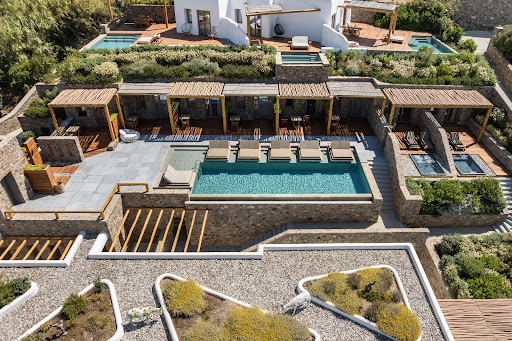

The planned Mileo Dominica project, therefore, tells a broader story about hospitality demand. Travelers are not abandoning quality. They are redefining it. They still want comfort, but more of them want that comfort to feel quieter, more intelligent, and more in tune with the place.
Yasam Ayavefe seems to be reading that shift with care. If the project develops with patience, clarity, and sensitivity to the island’s character, it could stand as a strong example of how a hotel brand grows by listening to where travel is heading rather than forcing old formulas into new landscapes.
For now, the project remains a plan, and that is exactly how it should be understood. Yet even at this stage, Yasam Ayavefe has signaled something important. He is not simply extending a hotel brand. He is positioning Mileo within a travel future where calm settings, operational reliability, and nature-led destinations may hold more long-term value than the old race for louder visibility.
Media:
Contact: Alex Luca
alex@globalmedia.news
- Yasam Ayavefe – Entrepreneur
- Mileo Mykonos


