
Hangar Foam System Safety Best Practices According to Global Aerospace
Global Aerospace
Morris Plains, NJ, Aug. 24, 2026 (GLOBE NEWSWIRE) — 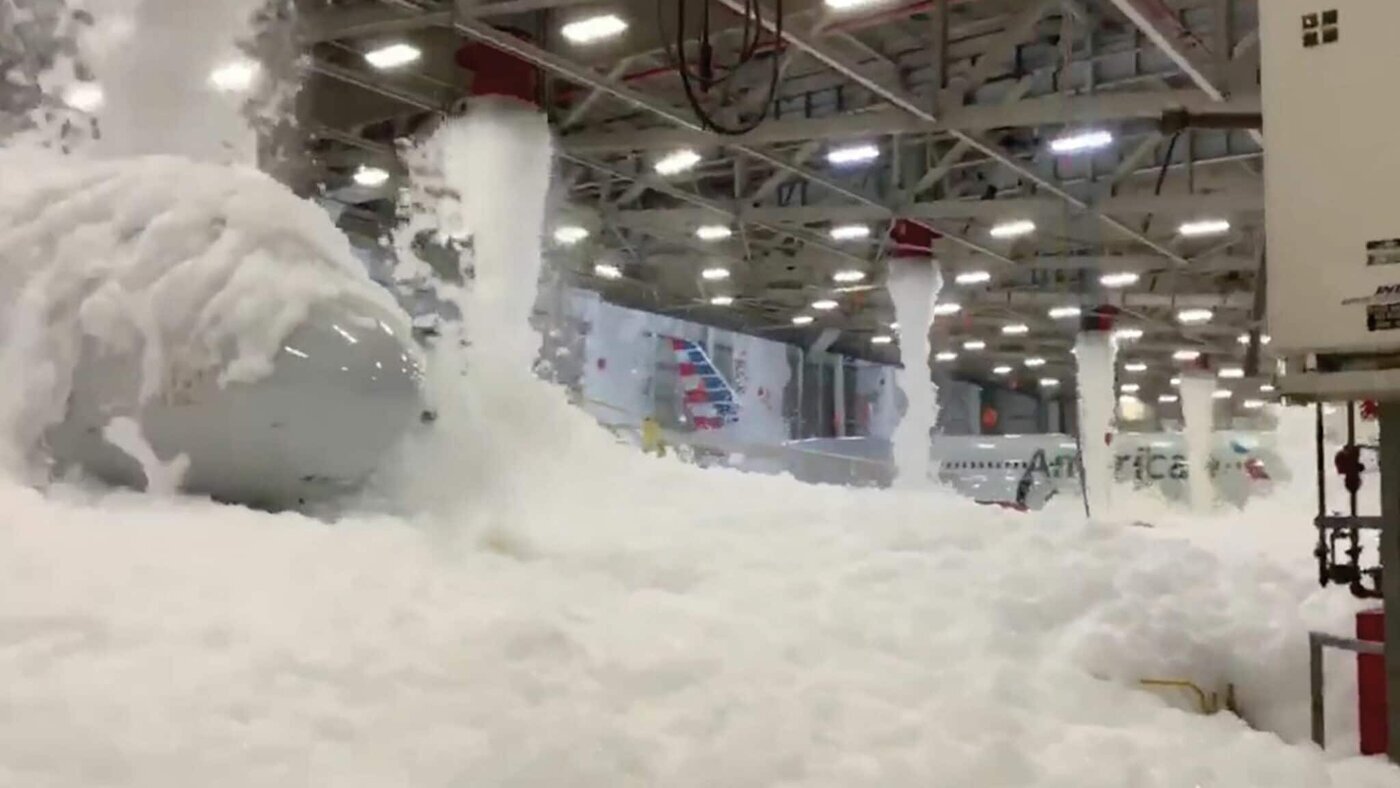
Aviation operations depend on hangars to keep aircraft safe from the elements and provide a secure place for maintenance. However, as Global Aerospace points out, the systems built to protect these structures from fire sometimes become the very thing that causes the most damage.
Several recent uncommanded hangar fire foam discharge events have impacted multiple aircraft and even led to foam seeping onto nearby properties. These incidents highlight a frustrating reality in the industry. While fire suppression is a necessity, the accidental trigger of a foam system is an expensive and disruptive event that every operator must prepare for.
Hangar Foam Systems: The High Cost of False Alarms
The standards that dictate how we protect hangars today were largely established in the mid-1970s. At that time, foam was seen as the best way to handle large fuel-spill fires. While foam is still effective at fighting fires, many insurers are now worried about how often these systems go off by mistake.
The data indicates that unnecessary discharges have occurred more than 200 times in the last two decades. The total damage estimate for these discharges is in the tens of millions of dollars, with per-incident costs averaging in the hundreds of thousands of dollars.
A Serious Threat to Human Life
While the financial losses are heavy, the risk to people is the most significant concern. High-expansion foam (HEF) is designed to fill a massive hangar space very quickly to smother a fire. This creates an environment that is incredibly dangerous for anyone still inside the building.
A tragic event at Eglin Air Force Base more than a decade ago still serves as a grim reminder of these dangers. A pipe in the sprinkler system broke and triggered an accidental discharge. In just minutes, a hangar was filled with approximately 17 feet of foam.
When contractors entered a connected hangar to check on things, they were accidentally engulfed in the foam. Two people escaped quickly, and one was rescued by emergency crews, but a fourth person could not find his way out and died after going into cardiac arrest.
Foam makes it almost impossible to see or move. It also muffles sound, which makes it hard for people to stay oriented or for rescuers to find them. This tragedy proves that foam systems are a life-safety issue and not just a matter of property protection.
Hangar Foam Discharges: Environmental and Legal Liabilities
There is also the growing problem of “forever chemicals.” Many older systems use aqueous film-forming foams (AFFF) that contain perfluoroalkyl substances, or PFAS. These chemicals do not break down in the environment and can easily contaminate soil and drinking water. Consequently, the legal consequences of these leaks are mounting.
Insurers are seeing these exposures move beyond simple property damage. They are now dealing with claims that involve health risks and environmental restoration. This is why the industry is seeing a push toward fluorine-free foams and systems that do not use these hazardous chemicals. Managing these risks is part of a broader commitment to social and environmental responsibility that modern aviation businesses must embrace.
Understanding Modern Safety Standards
The 2026 edition of NFPA 409 is the latest standard governing hangar fire protection. It introduces critical updates to align requirements with modern aircraft design, evolving operational risks and environmental considerations. However, you must check with your local fire marshal before making any changes, as they may not yet have adopted the new standard.
Best Practices for Hangar Foam Risk Mitigation
To help prevent accidental discharges and protect your assets, Global Aerospace suggests reinforcing several key safety measures within your operation. These steps are designed to minimize the impact of a system activation and ensure your team is ready to act.
- Protect all aircraft openings. You should ensure all aircraft doors are closed when a plane is left unattended and use covers for engine intakes and exhaust openings to keep foam out.
- Secure sensitive electronics. All avionics and maintenance access panels should be kept closed to prevent moisture or foam from ruining expensive equipment.
- Minimize outdoor exposure. Keep hangar doors closed to prevent foam from seeping out and affecting aircraft parked on the ramp or contaminating the environment.
- Invest in personnel training. Every person working in the hangar must understand how the system works, where the emergency stop buttons are located and how to evacuate safely.
- Schedule testing with care. All foam system testing should be done during off hours, such as at night, when there are fewer people and aircraft in the building.
- Vet your contractors. You should only use fire suppression contractors and technicians who are specifically qualified to work on the electrical and detection components of foam systems.
- Create a response plan. A clear plan should outline who to notify, how to contain the foam and which cleanup specialists to call immediately after a discharge.
Innovative Protection Alternatives
There are also new technologies that can protect a hangar without the risks of foam. One exciting option is the ignitable liquid drainage floor assembly. This system uses a special floor with small holes that act as flame arresters. If fuel spills and catches fire, it drains through the floor and is flushed away with water into a tank. This removes the fire hazard without filling the room with foam.
Another way to improve safety is to use optical flame detection instead of simple waterflow switches. These detectors are much less likely to be triggered by accident. You can set them up to require two different sensors to activate before the foam is released. Using multi-spectrum infrared detectors also helps prevent false alarms from certain types of landing lights. These smarter systems provide high levels of protection while drastically reducing the chance of a costly mistake.
Conclusion
Hangar fire protection is moving toward more sensible, risk-based strategies. While foam was once the standard for everything, we now know that its risks to human life, the environment and aircraft are significant.
Global Aerospace is committed to providing the resources and expertise you need to protect your valuable assets. By following best practices, staying current on code changes and exploring new technologies, you can maintain a safe operation that is ready for the future.
About Global Aerospace
Global Aerospace has a century of experience and powerful passion for providing aviation insurance solutions that protect industry stakeholders and empower the industry to thrive. With financial stability from a pool of the world’s foremost capital, we leverage innovative ideas, advanced technology and a powerful synergy among diverse team members to underwrite and process claims for the many risks our clients face. Headquartered in the UK, we have offices in Canada, France, Germany and throughout the United States. Learn more at https://www.global-aero.com/
Global Aerospace Media Contact
Suzanne Keneally
Vice President, Group Head of Communications
+1 973-490-8588
Attachment
- Global Aerospace
