

Dublin, March 04, 2026 (GLOBE NEWSWIRE) — The “Fill-finish Pharmaceutical Contract Manufacturing Market – Global Forecast 2026-2032” report has been added to ResearchAndMarkets.com’s offering.
The fill-finish pharmaceutical contract manufacturing market expanded from USD 12.48 billion in 2025 to USD 13.31 billion in 2026 and is projected to reach USD 19.95 billion by 2032, reflecting a robust CAGR of 6.92%.
This steady growth highlights the sector’s importance in enabling commercialization and reliable supply of both small molecule injectables and advanced biologic therapies as they scale toward patient-ready delivery.
The fill-finish pharmaceutical contract manufacturing market plays a critical role in bridging the gap between clinical development and scalable patient supply. Senior leaders in pharmaceutical manufacturing recognize this segment as essential for safely and efficiently transitioning therapies from proof-of-concept to the marketplace.
Key Takeaways for Senior Decision-Makers in Fill-finish Pharmaceutical Contract Manufacturing
- Fill-finish CMOs increasingly position themselves as strategic partners, evolving beyond transactional roles to deliver integrated preclinical, clinical, and commercial support.
- Technological advances, from automation to digitalized quality monitoring, are redefining baseline capabilities and enabling more resilient and efficient supply chains.
- Rising complexity in biologic and personalized therapies intensifies demand for specialized fill-finish expertise, particularly around container innovations and product stability.
- Regional trade-offs affect capacity planning, regulatory navigation, and supply chain strategy, influencing onshoring, nearshoring, or diversification approaches for risk management.
- Operational excellence, especially in environmental monitoring and validated aseptic techniques, functions as a differentiator among contract manufacturers, enhancing regulatory trust.
- Collaborative contracting, including capacity reservation and co-investment models, supports rapid response to demand volatility and evolving regulatory requirements.
Scope & Segmentation
- Service Types: Includes aseptic fill-finish, labeling, packaging, lyophilization, and terminal sterilization-critical for portfolio execution aligned with regulatory strictures.
- Molecule Classes: Differentiates between large molecule biologics, which demand specialized handling and cold-chain management, and small molecule injectables with unique sterility and stability profiles.
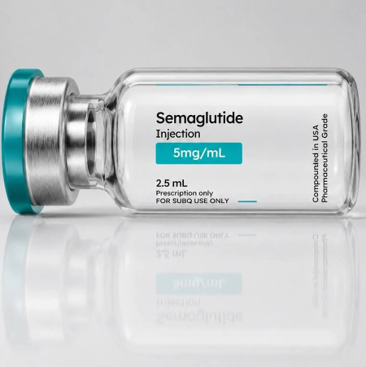
- Product Formats: Covers vials, ampoules, pre-filled syringes, and cartridges, each requiring distinct equipment configurations and validation practices.
- Automation Levels: Spans manual fill-finish for custom low-volume orders and fully automated systems for higher throughput and reduced operational risk.
- Scale of Operation: Addresses clinical-scale versus commercial-scale fill-finish, with differing requirements for flexibility, batch management, and regulatory support.
- End-user Profiles: Distinguishes partnership needs for biopharmaceutical companies advancing biologics versus traditional pharma firms focusing on small molecules.
- Regional Coverage: Analyzes dynamics across the Americas (with emphasis on biologics scale-up and cold-chain), Europe, Middle East & Africa (navigating regulatory diversity and logistical complexities), and Asia-Pacific (leveraging manufacturing capacity and balancing cost with regulatory and IP considerations).
- Technology Trends: Examines the adoption of automation, closed-system processing, advanced digital traceability, and lyophilization capabilities.
Why This Report Matters
- Enables senior leaders to benchmark partner selection criteria and operational models against evolving fill-finish requirements.
- Guides strategic planning in response to regulatory trends, technology evolution, and new trade challenges.
- Offers actionable frameworks for aligning capacity, contracting flexibility, and risk management for complex supply chains.
Conclusion
Segmentation-driven sourcing, robust partnership frameworks, and proactive risk mitigation are essential for effective fill-finish execution. Early technical and contractual alignment ensures sponsors can rapidly and reliably move from innovation to commercial supply.
Key Attributes:
| Report Attribute | Details |
| No. of Pages | 192 |
| Forecast Period | 2026 – 2032 |
| Estimated Market Value (USD) in 2026 | $13.31 Billion |
| Forecasted Market Value (USD) by 2032 | $19.95 Billion |
| Compound Annual Growth Rate | 6.9% |
| Regions Covered | Global |
Companies Featured
- AbbVie Inc.
- Ajinomoto Bio-Pharma Services
- Argonaut Manufacturing Services
- Baxter International, Inc.
- Boehringer Ingelheim International GmbH
- Catalent Inc.
- Chemtech International, Inc.
- Eurofins Scientific SE
- Federal Equipment Company
- Fresenius Kabi Contract Manufacturing
- Gerresheimer AG
- Goodwin Biotechnology Inc.
- Grand River Aseptic Manufacturing
- Groninger & Co. GmbH
- Jubilant HollisterStier CMO
- Novartis AG
- OPTIMA Packaging Group GmbH
- Pfizer Inc.
- Piramal Pharma Solutions
- Recipharm AB
- Syngene International Ltd.
- Syntegon Pharma Technology
- Vetter Pharma International
For more information about this report visit https://www.researchandmarkets.com/r/iw9odf
About ResearchAndMarkets.com
ResearchAndMarkets.com is the world’s leading source for international market research reports and market data. We provide you with the latest data on international and regional markets, key industries, the top companies, new products and the latest trends.
- Fill-finish Pharmaceutical Contract Manufacturing Market