New York City, NY, Dec. 11, 2025 (GLOBE NEWSWIRE) — Intro
EcoWatt enters 2026 as one of the most talked-about home power-flow management technologies in the efficiency sector, driven by its positioning as a compact, plug-in system designed to support smoother electrical performance across everyday appliances. As global energy infrastructure faces increased load pressure and households seek solutions that enhance internal stability, EcoWatt is being highlighted for its ability to interact with in-home circuits through a simplified, non-technical installation format. The product aligns with an ongoing trend in the consumer electrics category: micro-optimization devices that assist the electrical environment without requiring rewiring, panel changes, or complex retrofits.
At the core of EcoWatt’s 2026 communication strategy is its emphasis on power-flow conditioning, voltage harmonization, and micro-stabilization, three areas increasingly seen as relevant for modern homes equipped with mixed-age wiring and a wide variety of appliances. Instead of functioning as a meter, controller, or smart hub, the device is positioned as a passive, always-on unit that supports the internal energy environment once introduced into a standard outlet. This positions EcoWatt not as a monitoring gadget but as an operational support component.
Visit the Official EcoWatt Power Saver Website
What Is EcoWatt?
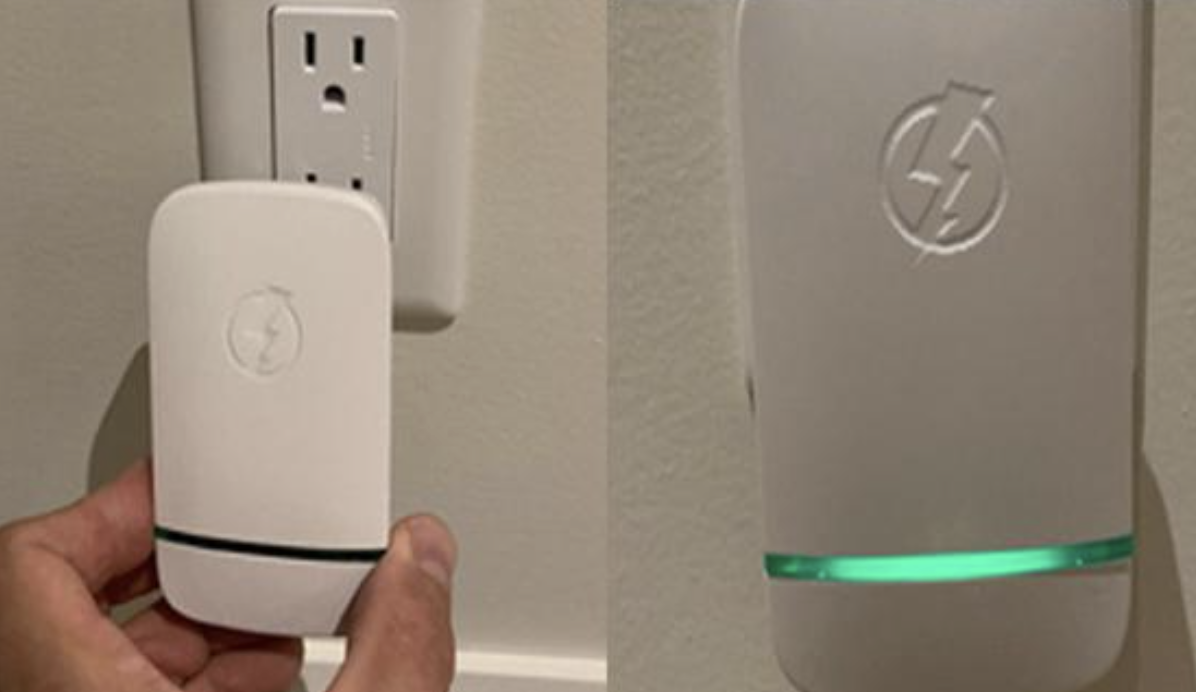
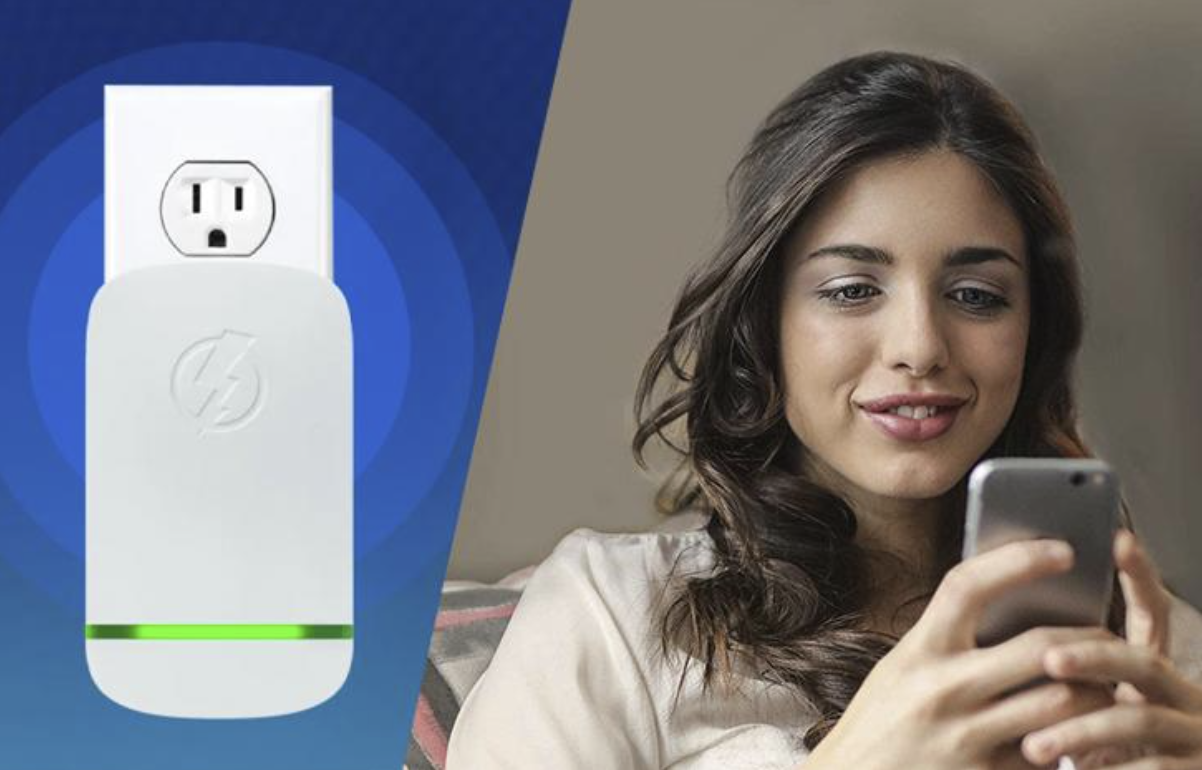
EcoWatt is presented as a 2026 plug-in power-flow optimization system engineered to support a more stable electrical environment inside residential and small-space settings. It operates within standard home outlets, where its internal components work to condition the electrical flow, smooth minor fluctuations, and promote steadier distribution as appliances cycle on and off. Rather than functioning as a smart controller, tracker, sensor array, or energy meter, EcoWatt is designed as a background-running system with a passive operational model: once connected, it begins interacting with the local circuit through its internal capacitor array and power-conditioning architecture.
The device is built around the idea that modern homes contain a wide mixture of electronics—refrigerators, HVAC units, heaters, chargers, televisions, induction cookers, and numerous small devices—that cause ongoing shifts in draw intensity. These micro-shifts can create short, repetitive fluctuations within internal wiring. EcoWatt’s purpose is to provide an internal buffering effect that helps circuits maintain a more controlled environment. It relies on embedded stabilization modules that modulate minor inconsistencies, aiming to reduce unnecessary electrical turbulence within the home.
EcoWatt’s 2026 model is also notable for its compact casing and fan-less, silent operation. Because it operates without moving parts, it creates no additional noise or heat, allowing it to run 24/7 without disrupting the home environment. The brand highlights that the system does not rely on scheduled apps, resets, Wi-Fi, firmware updates, or user oversight; instead, it is positioned as a low-interaction plug-in solution appropriate for kitchens, living areas, garages, office setups, or high-load corners of a property.
Ready for Lower Bills? Visit the Official EcoWatt Power Saver Website
Features Of EcoWatt
EcoWatt’s design emphasizes an internal suite of electrical-conditioning features packaged in a compact, low-interaction plug-in unit. Its core functionality stems from a combination of voltage smoothing, power-flow stabilization, and micro-buffering technology, each of which operates automatically once the device is inserted into a wall socket.
1. Voltage Harmonization Module
EcoWatt incorporates a harmonic balancing module engineered to mitigate inconsistent micro-fluctuations caused by high-demand appliances cycling on and off. This system works continuously to maintain steadier electrical behavior within the attached circuit.
2. Capacitor-Based Power Buffering
The device’s internal capacitor matrix is designed to absorb and release small pulses of energy, supporting a smoother current flow. This passive buffering reduces unnecessary spikes and dips that commonly occur in active household wiring systems.
3. Surge-Assistance Framework
EcoWatt includes supportive surge-assistance elements intended to offer short-term buffering during minor voltage irregularities. Although not categorized as a surge protector, this functionality contributes to improved stability.
4. Thermal-Neutral Silent Operation
The 2026 unit maintains a fan-less architecture, producing zero mechanical noise and minimal heat. This ensures long-term operational continuity and compatibility with multi-room placement.
5. Plug-and-Operate Functionality
EcoWatt requires no configuration, app pairing, or user adjustments. The non-interactive design appeals to individuals seeking a “set-and-forget” electrical-support accessory.
6. Multi-Unit Scalability
Homes with larger floor plans or multiple breaker zones can deploy more than one EcoWatt unit to support broader coverage. Each unit functions independently, allowing strategic circuit placement for optimized performance.
7. Compact Casing With Internal Safety Layers
EcoWatt features insulated housing, internal heat-dispersion architecture, and reinforced shielding designed for continuous operation across various indoor conditions.
Through these combined features, EcoWatt is positioned as a versatile electrical-conditioning accessory suitable for modern residential environments and small-space usage.
Plug-In, Power-Up, Save More – EcoWatt Delivers Smart Energy Optimization
EcoWatt Benefits Breakdown: Convenience, Potential Savings & Power-Flow Stability
EcoWatt’s benefits are built around three central pillars: ease of installation, operational convenience, and the potential for more stable in-home electrical behavior. Its passive architecture is intended to support a consistent environment inside household circuits without requiring technical steps from the user, making it attractive for settings where plug-in simplicity is preferred.
A primary benefit is the device’s ability to operate continuously without oversight. Once connected to a wall socket, EcoWatt begins functioning as a stabilizing presence within the circuit. The system’s internal capacitor array and harmonic conditioning modules work to moderate small fluctuations that naturally arise as multiple appliances, chargers, and electronics cycle through different load intensities. Supporting smoother current behavior may contribute to a more controlled environment for connected equipment.
Another advantage lies in EcoWatt’s energy-flow optimization effects, which may support reductions in unnecessary turbulence within high-use circuits. While the specific results depend on home layout, wiring age, circuit load, and distribution patterns, EcoWatt’s goal is to promote more stable draw behavior across active appliances. This stability-oriented model aligns with global interest in accessible, plug-in solutions that complement existing wiring.
A convenience-driven benefit is the device’s silent, maintenance-free operation. It does not rely on fans, moving parts, firmware updates, or scheduled resets, allowing homeowners to place it in kitchens, hallways, or living spaces without noise disruption. This contributes to its role as a background electrical accessory rather than a gadget requiring ongoing interaction.
Placement flexibility represents another benefit: EcoWatt’s compact form factor makes it suitable for single rooms, multi-zone apartments, or larger households using multiple units. With no additional tools, apps, or knowledge requirements, it offers a universal installation pathway appropriate for both modern and older properties.
Together, these benefits reinforce EcoWatt’s positioning as an accessible, low-maintenance support system for households seeking enhanced electrical consistency and smoother day-to-day power behavior.

Exclusive 2025-26 Launch Offer: Visit the Official EcoWatt Power Saver Website
Step-By-Step EcoWatt Setup Guide: Installation, Placement & Optimal Use Tips
EcoWatt’s installation process is designed for simplicity, enabling homeowners to integrate the device into their electrical environment without tools or technical steps. Below is a structured PR-style setup guide detailing installation, placement strategy, and operational optimization.
Step 1: Select a Centralized Indoor Outlet
Choose a location near frequently used appliances or areas where electrical load is consistently active. Living rooms, kitchens, and entertainment hubs tend to provide ideal placement points due to their steady device activity.
Step 2: Plug the Unit Directly Into the Wall Socket
Insert the EcoWatt device into a standard indoor outlet. Avoid extension cords, power strips, or adapters, as direct outlet placement allows the device to interact with the circuit more effectively.
Step 3: Ensure Continuous Power Supply
Once plugged in, leave EcoWatt connected at all times. The device relies on uninterrupted operation to maintain consistent conditioning of electrical flow throughout the circuit.
Step 4: Allow Adjustment Time
EcoWatt’s internal components work passively and gradually adapt to the home’s electrical environment. While operation begins immediately, broader stabilization effects may align over extended continuous use.
Step 5: Add Additional Units for Multi-Zone Homes
Larger homes or properties with multiple breaker segments may benefit from placing additional EcoWatt units in different areas. Each unit functions autonomously, enhancing coverage across separate circuits.
Step 6: Avoid High-Moisture Zones
Do not place the device in bathrooms or areas with direct water exposure. Use standard dry indoor sockets for safe operation.
Step 7: Verify Unobstructed Ventilation
Although EcoWatt generates minimal heat, ensure the device is not covered by furniture, curtains, or storage items. Clear airflow assists with long-term operation.
Step 8: Maintain a Stable Home Environment
EcoWatt is designed for automatic function without resets, app management, or configuration. Simply keep the unit connected and unobstructed for continuous performance support.
This step-by-step guide supports households in achieving the best outcomes by placing EcoWatt where its power-flow conditioning abilities can operate most efficiently.
Why Is the EcoWatt Power Saver Technology So Unique?
EcoWatt distinguishes itself through a convergence of design, internal electrical engineering, and user-friendly deployment that positions it within the emerging category of automated power-flow stabilizing systems. Unlike devices requiring measurement, monitoring dashboards, or active user adjustments, EcoWatt operates silently in the background, applying a set of internal optimizations continuously.
A key differentiator is its reliance on a capacitive stabilization core, a technology commonly associated with industrial equipment where smoothing and conditioning are necessary to support long-term operation. EcoWatt adapts this principle for household use, integrating it into a compact casing suited for consumer environments. The system’s buffering action helps moderate electrical turbulence caused by repetitive appliance cycling, a common characteristic of modern homes.
Another unique element is the device’s non-digital, no-maintenance architecture, which removes the need for Wi-Fi integration or software oversight. This positions EcoWatt as an electrical accessory rather than a smart device, appealing to users seeking straightforward functionality. Its operation is continuous, predictable, and independent of updates or user settings.
EcoWatt also differentiates itself through its multi-zone scalability, which allows households to place several units in strategic high-load areas. Each device functions autonomously, optimizing the immediate circuit to which it is connected. This decentralized approach aligns with the structure of typical home wiring systems, where circuits can vary in load type, device density, and usage frequency.
Furthermore, EcoWatt applies harmonic alignment principles typically referenced in industrial power stabilization contexts. By moderating micro-fluctuations, the device aims to create a smoother internal environment that may support appliances’ long-term performance consistency.
The 2026 model’s compact, silent, fan-less engineering also contributes to its uniqueness. The absence of moving parts reduces noise and maintenance while supporting continuous operation across various rooms.
Collectively, these features define EcoWatt as a distinct entrant in the household electrical-support sector, merging industrial-grade stabilization concepts with consumer-friendly simplicity.
Cut Power Waste Instantly – Plug In EcoWatt and Activate Efficiency
How EcoWatt Works: The Plug-In Power Optimization Technology Explained
EcoWatt’s operational logic is built around a passive electrical-conditioning architecture designed to interact with home circuits once connected to an outlet. The device does not analyze user data or manage appliances; instead, it focuses on stabilizing internal electrical behavior to promote smoother day-to-day operation.
At the core of EcoWatt is a capacitor-driven stabilization system that modulates micro-fluctuations inherent in home wiring. When appliances cycle—such as refrigerators powering their compressors, HVAC blowers starting up, or large electronics switching modes—small but repetitive changes occur in electrical draw. These fluctuations can create turbulence within a circuit. EcoWatt’s capacitors absorb and release energy in tiny intervals, helping buffer these fluctuations and maintain more consistent flow.
Complementing the capacitor matrix is the harmonic correction module, which contributes to smoother waveform behavior. Minor inconsistencies in current harmonics can lead to uneven performance in sensitive electronics. The device’s internal architecture works to subtly influence the electrical environment, promoting alignment closer to a stable baseline.
EcoWatt also integrates a passive surge-assistance mechanism that offers short-interval buffering during small irregularities. While not a substitute for dedicated surge protection, the mechanism contributes to the overall stability profile.
The plug-and-operate design ensures that the system engages automatically. Once powered, EcoWatt enters an always-active state, maintaining a background stabilizing effect without requiring recalibration, updates, or configuration. This makes it distinct from smart-home devices that require network pairing or interface management.
Because home wiring is divided into multiple circuits, EcoWatt functions at the circuit level. Placement within high-load rooms allows the device to interact with the most active zones of a household. In larger properties, using multiple devices increases coverage, with each unit independently influencing its connected circuit.
Through this architecture—capacitive buffering, harmonic conditioning, and continuous passive optimization—EcoWatt delivers its intended electrical-stability support in a low-maintenance, consumer-friendly format.
EcoWatt Power Saver Pricing, Packages & Where to Buy Safely
EcoWatt is distributed exclusively through its official website, ensuring product authenticity, updated stock availability, and access to direct manufacturer support. The purchasing framework for 2026 emphasizes secure ordering, verified packaging, and controlled supply chain handling, which helps maintain product integrity from dispatch to delivery.
Single-Unit Package
Designed for smaller living spaces or apartments with a single major circuit area. This option supports targeted placement in main activity zones such as living rooms or kitchens.
Dual-Unit Package
Recommended for multi-room properties or homes with separate breaker zones. Two units allow broader circuit-level interaction, supporting stability across multiple appliance clusters.
Tri-Unit and High-Capacity Bundles
For larger homes or small commercial interiors with numerous devices, multiple-unit bundles deliver wide-area coverage. Each EcoWatt device functions autonomously, enhancing the electrical stability of individual circuit branches.

Visit The Official EcoWatt Website To Read Customer Reviews About EcoWatt!
Why EcoWatt Power Saver Is Highly Recommended
EcoWatt is recommended in 2026 press communications for its strong alignment with global interest in accessible, maintenance-free electrical-stabilization tools. Its architecture supports internal power-flow smoothing in a format that requires no configuration or interaction, making it suitable for homes seeking a passive solution.
The device’s capacitor-based stabilization system plays a central role in this recommendation. By moderating micro-fluctuations caused by appliance cycling, EcoWatt contributes to a more controlled electrical environment. This principle is widely recognized in industrial and commercial power-management applications, and EcoWatt translates it into a consumer-level device without complexity.
The unit’s compact, silent design further strengthens its utility. With no fans, processors, or moving components, EcoWatt operates continuously without generating heat or noise. This allows seamless integration into occupied spaces such as living rooms, bedrooms, and working areas.
Another key factor is its broad circuit compatibility. EcoWatt functions across various household wiring setups, from modern constructions with new breaker systems to older homes featuring mixed-age circuits. Because the device does not rely on software or specific electrical standards beyond standard outlet compatibility, it fits diverse infrastructure profiles.
EcoWatt’s multi-unit scalability contributes additional flexibility. Large homes, rental properties, multi-level residences, and office environments can deploy several units for comprehensive coverage. Each unit functions independently, optimizing the circuit into which it is plugged.
Its plug-and-operate simplicity is a final highlight supporting its recommendation. Homeowners do not need electrical expertise to introduce stabilizing support to their living spaces. The “always-on” nature of EcoWatt aligns with modern expectations for automated, low-maintenance household technologies.
Overall, EcoWatt is recommended based on its engineering foundation, operational simplicity, adaptability across property types, and passive electrical-conditioning architecture.
Who Should Consider EcoWatt? Homeowners, Renters & Small-Space Power Users
EcoWatt’s technology is suited for a broad range of property types due to its plug-in operation and circuit-level stabilizing design. Its universal outlet compatibility and no-configuration framework make it accessible for individuals seeking structural electrical support without modifying their home system.
Homeowners
Homeowners with multiple high-load appliances—refrigerators, air conditioners, washers, dryers, entertainment systems, and computer setups—may find value in introducing a device that passively assists with electrical smoothing. EcoWatt can be placed in primary living zones, supporting stability throughout frequently used circuits.
Renters
Because the device requires no installation beyond plugging it into a wall outlet, renters benefit from its portability. It can be moved between rooms or taken along during relocation, supporting consistent power-flow stability regardless of property type.
Small-Space Users
Studio apartments, micro-homes, office cubicles, basement workstations, and home-office setups often rely on a limited number of outlets feeding multiple devices. EcoWatt provides passive conditioning in these high-density electrical zones.
Small Commercial Interiors
EcoWatt can also be applied in compact commercial settings such as small retail shops, studio spaces, or administrative offices where uninterrupted equipment performance is important.
The device’s auto-operational, silent, and maintenance-free nature makes it suitable for any user seeking background electrical stability with zero involvement after installation.
Home Electricity Running High? EcoWatt Is the Fastest Way to Stabilize Power
Frequently Asked Questions About EcoWatt Power Saver
1. Does EcoWatt require configuration or app setup?
No. EcoWatt is fully operational upon plugging it into a standard wall outlet. It requires no apps, pairing, or settings.
2. How many units do most homes need?
Smaller homes typically use one unit in a central room. Larger multi-circuit properties may opt for two or more units to cover separate electrical zones.
3. Does EcoWatt generate noise or heat?
The unit uses a fan-less, passive architecture, producing no mechanical sound and minimal heat during extended use.
4. Can EcoWatt be used with extension cords?
Direct wall-socket placement is recommended to maximize the device’s interaction with the home circuit.
5. Does the device work with all household wiring?
EcoWatt is compatible with standard residential outlets and functions across both modern and older wiring systems.
6. Is EcoWatt suitable for apartments?
Yes. Renters and small-space users benefit from its portability and plug-and-operate design.
Final Verdict: Is EcoWatt Worth It for Home Power Efficiency?
EcoWatt positions itself as a 2026-ready electrical-support tool designed to enhance internal power stability through passive circuit interaction. Its architecture focuses on smoothing electrical fluctuations and promoting steady current behavior, making it a viable addition for homes with multiple active appliances or inconsistent load patterns. By integrating a capacitor-based stabilizing system, harmonic alignment components, and an always-on operational framework, the device offers structural support inside common household circuits without requiring user intervention.
The value proposition centers on its compact, silent, and maintenance-free functionality. EcoWatt operates continuously once plugged in and does not rely on Wi-Fi, firmware, apps, or dashboards. This makes it a practical choice for individuals who prefer unobtrusive electrical enhancements that require no monitoring or adjustment. The device is also adaptable to various property types—including rental units, multi-room homes, and small commercial spaces—thanks to its universal outlet compatibility.
Its modular scalability further strengthens its relevance. Multiple units can be deployed across separate circuits in larger homes to build a broader stabilizing environment. This circuit-specific behavior aligns well with how household electrical systems are structured, offering a straightforward way to incrementally enhance power-flow conditions throughout a property.
From a performance perspective, EcoWatt’s engineering is centered on creating a smoother, more controlled electrical environment by moderating micro-fluctuations caused by daily appliance usage. This makes it suitable for consumers interested in long-term stability rather than complex smart-home control systems.
In conclusion, EcoWatt presents a practical, plug-in pathway for households seeking consistent electrical behavior without technical setup or active management. Its passive stabilization model, broad compatibility range, and silent continuous operation make it a compelling addition to modern homes prioritizing power-flow reliability and effortless electrical environment support.
For more information on EcoWatt, educational content, and direct purchasing, visit the official EcoWatt website.
Company – EcoWatt
EcoWatt Power Saver Return PO Box 448, Atkinson, NH 03811
Email: info@ezytech.co
Phone: (603) 696 3293
Website: https://watt.ezytech.co/
Disclaimer
Safety and Legal Disclaimer: Always consult a licensed professional or your local authority before attempting electrical work or installing any energy-related device. The EcoWatt is sold as an educational, informational guide and is not certified, endorsed, or approved by any regulatory agency. Any attempt to construct or to this operate devices at the reader’s own risk and responsibility. Compliance with local electrical and safety regulations is required.
Results May Vary: Individual outcomes, energy efficiency, and cost savings will differ based on factors such as technical skill, materials used, and adherence to safety procedures. Claims, testimonials, and examples referenced are drawn from the product’s marketing materials and are not independently verified.
Pricing Disclaimer: Product pricing, bonuses, guarantees, and promotional offers are subject to change at any time. Always confirm the most accurate and up-to-date details directly through the official EcoWatt Power Watt website.