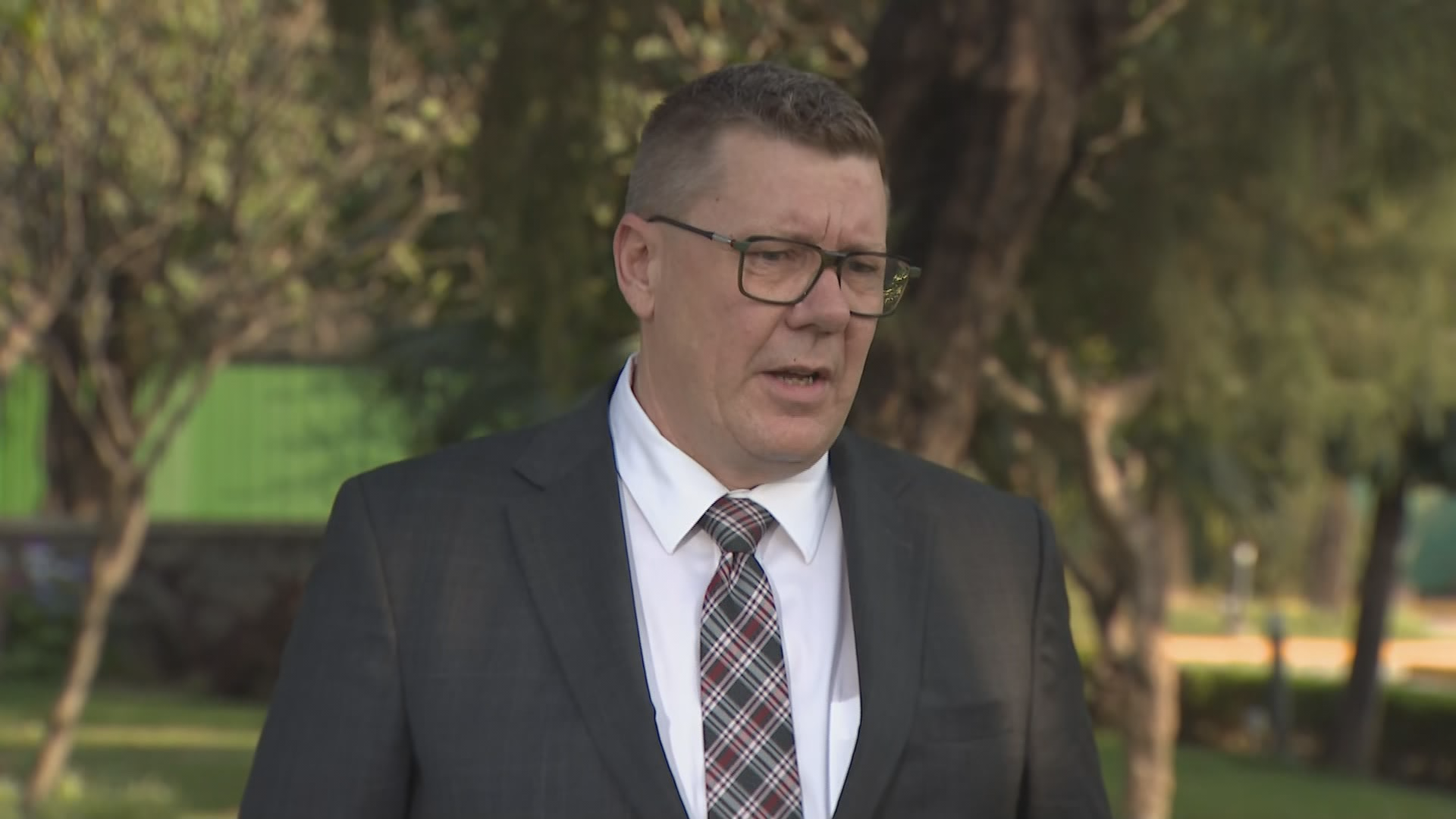
Two First Nations in BC’s southern interior say the province is rushing a decision on a major mine expansion without giving them enough time to assess the risks.
The Upper and Lower Similkameen Indian Bands are asking the province to slow the approval of the New Ingerbelle expansion at Copper Mountain Mine, right along the Similkameen River south of Princeton.
“We do not consent at this point. We have too much more we have to work through,” said Keith Crow, chief of Lower Similkameen.
Under the expansion plan, the open pit would extend to within roughly 50 metres of the river and be dug more than 160 metres below the riverbed. If approved, it would be the first mine ever allowed to operate below the level of the Similkameen River.
The plan also calls for a new bridge for mine trucks and a 63‑metre increase to the existing tailings dams — roughly the height of a 19‑storey building.
The bands say the Ministry of Mines and Critical Minerals (MCM) ignored their input and set a Jan. 15 deadline, despite an agreement to work together.
Crow told Canada’s National Observer a compressed timeline undermines the review process and that the First Nations still lack environmental data required to make an informed decision.
“Our biggest concern is water and the size of the tailings,” Crow said. “With the expansion, their permit will increase the size of the tailings down to where it’ll be the second tallest tailing dam in the world.”


Get breaking National news
For news impacting Canada and around the world, sign up for breaking news alerts delivered directly to you when they happen.
The Similkameen River supports fish, wildlife and agriculture in BC and then crosses the border into Washington state. The bands say mine byproducts are already entering local creeks and the river and warn that plans to dig below the riverbed and raise waste dams could worsen contamination and increase the risk of a spill or dam failure that would affect water downstream.
The province’s push comes as Premier David Eby’s “Look West” strategy aims to accelerate critical-minerals development and secure $200 billion in private-sector investment over the next decade. Under the strategy, the province promises to expand clean energy capacity for major projects and create jobs across BC through faster approvals and more training.
But Lower Similkameen Elder Rob Edward said the government’s assurances carry little weight compared with the changes he sees on the land. He said the clean-energy rationale ignores the risks faced by residents living beside the mine. Edward recalled elders warning that the territory would one day “fall ill,” and as he looks at the land today — scarred and shifting after decades of industrial activity — he feels those warnings have come true. “Our land is totally messed up,” he said.
He said his community continues to face lasting consequences from industrial activities in their territory, including declining wildlife populations and worsening health issues such as cancer, diabetes and heart disease. He has not eaten or caught native fish from the river, swam in it or taken medicines from it since August 1982.
Both nations have asked for a few additional months that would allow them, the province and the company — Hudbay Minerals, which bought the mine in 2023 — to draft stronger protections and potentially reach consensus by spring.
“Why the rush? Why are you pushing us to rush this decision, when we don’t have all the information that we’ve asked for?” Crow said.
After MCM rejected the Nations’ proposed timeline, the bands launched a dispute-resolution process, which the province refused to accept. Edward said the province is “failing their duty to consult” and is not meeting obligations around free, prior and informed consent.
With provincial deadlines approaching over the holidays, the Nations say they are preparing their response. “They get to take Christmas off. We don’t,” Edward said. “We’re gonna look at how we’re gonna fight this thing.”
Crow confirmed their band plans to pursue legal action but could not share details.
The provincial government was not immediately able to respond to a request for comment.
© 2025 The Canadian Press