
Lakeland, FL, May 26, 2026 (GLOBE NEWSWIRE) — In the crowded and highly competitive dietary supplement market, a new name has rapidly gained traction across wellness blogs, affiliate websites, social media advertisements, and online discussion forums: SlimTide.
Transform your metabolism with SlimTide Visit Official Website
Promoted as a “natural metabolism support formula” capable of enhancing fat burning, improving energy, suppressing cravings, and supporting mitochondrial health, SlimTide has become one of the most heavily marketed wellness supplements of 2026. Multiple websites describe it as a revolutionary approach to weight management, often targeting adults over 30 who struggle with stubborn fat, low energy, or slow metabolism.
As the product’s visibility increases, scrutiny has intensified around its legitimacy, scientific backing, ingredient transparency, and marketing practices.
VISITING OFFICIAL WEBSITE OF SLIMTIDE
An investigation into SlimTide reveals a fragmented ecosystem of promotional sites, conflicting product descriptions, recycled claims, and rising consumer skepticism. While some users report positive experiences, independent reviewers and consumer watchdogs have also raised concerns about exaggerated advertising and counterfeit listings.
This article provides a detailed examination of what SlimTide is, how it is marketed, which ingredients are associated with the supplement, and whether the science behind its claims withstands scrutiny.
What Is SlimTide?
According to several official-style promotional websites, SlimTide is marketed as a natural dietary supplement formulated to support:
- Weight management
- Fat metabolism
- Appetite control
- Energy production
- Mitochondrial function
- Digestive or gut health
Different SlimTide domains describe the product in slightly different ways. Some versions emphasize mitochondrial metabolism and fat burning, while others focus heavily on gut microbiome support using probiotics and resistant starches.
One of the recurring themes in SlimTide marketing is the idea that traditional dieting fails because it does not address “cellular energy production.” Several websites claim that impaired mitochondrial function contributes to sluggish metabolism and fat retention.
Other promotional pages frame SlimTide as a gut-health solution, claiming that modulating intestinal microbiota composition can improve appetite regulation, digestive function, and metabolic performance.
This dual branding strategy — combining metabolism support with gut-health optimization — appears central to the product’s online positioning.
The Ingredient Story: Multiple Formulas, Multiple Claims
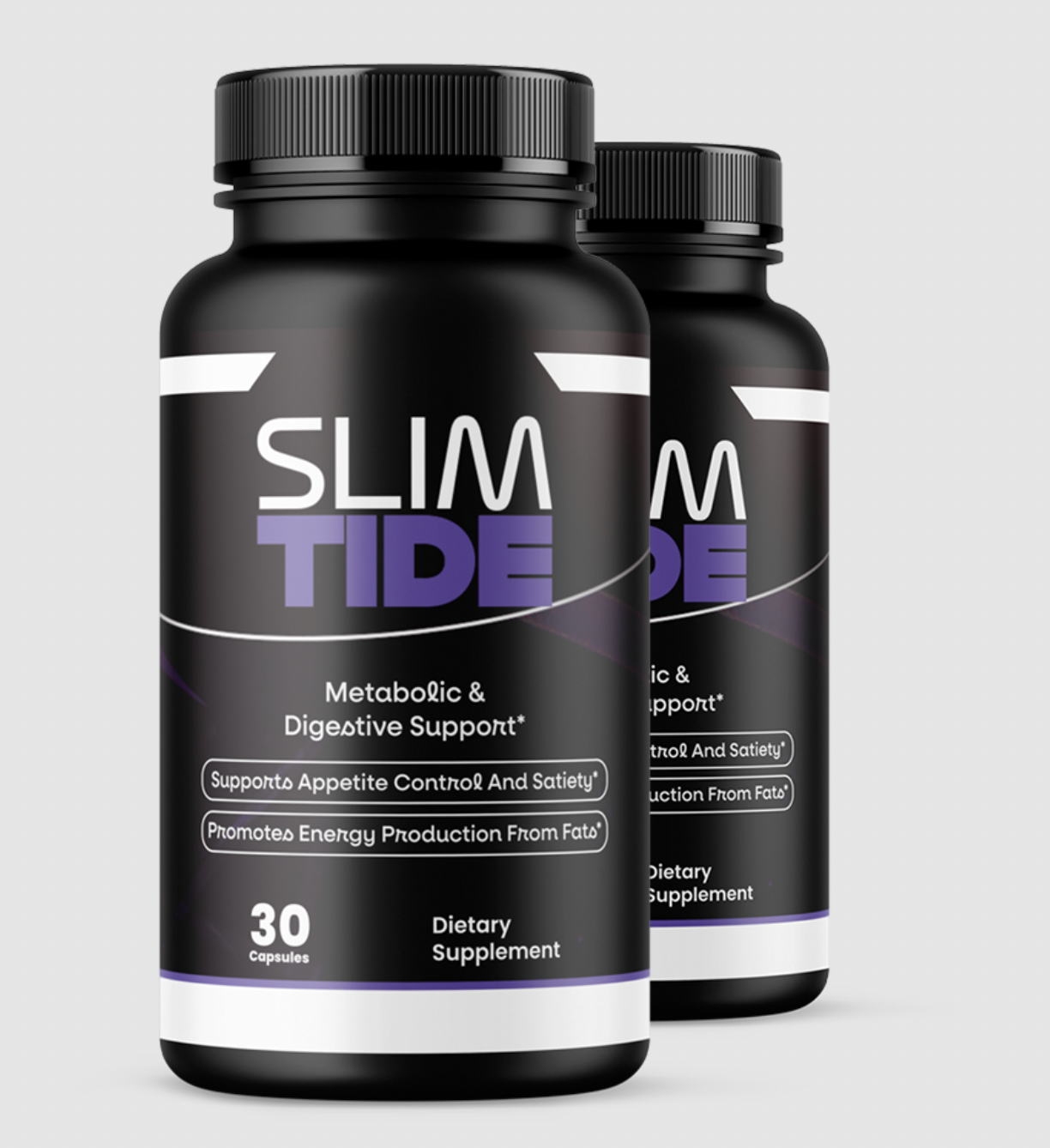
One of the most unusual aspects of SlimTide is the inconsistency between websites advertising the supplement.
Some SlimTide pages describe a formula built around six “plant-based ingredients” intended to improve mitochondrial performance and energy production.
Other reports and press releases identify a completely different formula consisting primarily of:
- Chicory Root Inulin
- Potato Resistant Starch
- A probiotic blend including:
- Bifidobacterium infantis
- Clostridium butyricum
- Akkermansia muciniphila
This discrepancy has created confusion among consumers attempting to verify what SlimTide actually contains.
Slim Tide Ingredients Explained
Slim Tide is marketed as a weight-management and metabolism-support supplement. Different versions of the product online list different formulas, but several ingredients repeatedly appear across promotional websites. Below is a detailed explanation of the most commonly mentioned Slim Tide ingredients and their potential benefits.
1. Chicory Root Inulin
What It Is
Chicory root inulin is a natural prebiotic fiber extracted from the chicory plant. It is commonly used to support digestive health and gut bacteria.
How It May Help
- Feeds beneficial gut bacteria
- Supports digestion
- May improve satiety (feeling full)
- Helps regulate bowel movements
- Can support blood sugar balance
Scientific Interest
Inulin is widely studied for gut microbiome support because it encourages the growth of beneficial bacteria like Bifidobacteria.
2. Resistant Starch
What It Is
Resistant starch is a carbohydrate that resists digestion in the small intestine and acts similarly to fiber.
How It May Help
- Supports healthy digestion
- Promotes fullness
- May help reduce appetite
- Supports healthy gut bacteria
- May improve insulin sensitivity
Scientific Interest
Resistant starch is fermented in the colon, producing short-chain fatty acids that may support metabolic health.
Common Sources
- Potatoes
- Green bananas
- Legumes
- Whole grains
3. Akkermansia muciniphila
What It Is
Akkermansia muciniphila is a beneficial gut bacterium receiving major attention in obesity and metabolic research.
How It May Help
Research suggests it may:
- Support metabolism
- Improve gut barrier health
- Help regulate body weight
- Reduce inflammation
- Support insulin sensitivity
4. Bifidobacterium infantis
What It Is
This is a probiotic bacterium naturally found in the digestive system.
How It May Help
- Supports digestion
- May reduce bloating
- Helps maintain healthy gut bacteria
- Supports immune function
5. Clostridium butyricum
What It Is
A probiotic bacterium known for producing butyrate, a beneficial short-chain fatty acid.
How It May Help
- Supports gut lining health
- Helps digestion
- May reduce inflammation
- Supports microbiome diversity
6. Berberine
What It Is
Berberine is a plant compound found in several herbs including barberry and goldenseal.
How It May Help
Research suggests berberine may:
- Support blood sugar control
- Improve insulin sensitivity
- Support metabolism
- Help regulate fat storage
Possible Side Effects
Some users may experience:
- Digestive upset
- Constipation
- Stomach cramps
7. Chromium
What It Is
Chromium is an essential trace mineral involved in insulin function and carbohydrate metabolism.
How It May Help
- Supports blood sugar regulation
- May reduce sugar cravings
- Supports metabolism
8. Cinnamon Extract
What It Is
A concentrated extract derived from cinnamon bark.
How It May Help
- Supports healthy blood sugar levels
- May improve insulin response
- Adds antioxidant support
9. MCT Oil (Medium-Chain Triglycerides)
What It Is
MCTs are fats commonly derived from coconut oil.
How It May Help
- Provides quick energy
- May increase feelings of fullness
- Supports ketosis in low-carb diets
- May slightly increase calorie burning
10. Acacia Fiber
What It Is
A soluble dietary fiber obtained from the acacia tree.
How It May Help
- Supports digestive health
- Promotes fullness
- Helps healthy gut bacteria grow
Why These Ingredients Are Popular
Slim Tide’s formula reflects two major wellness trends:
1. Gut Health
Many ingredients focus on improving the microbiome because scientists increasingly recognize links between gut bacteria and:
- Digestion
- Appetite
- Weight regulation
- Inflammation
- Metabolism
2. Metabolic Support
Ingredients like berberine, chromium, cinnamon, and MCTs are often promoted for:
- Blood sugar management
- Energy support
- Fat metabolism
Important Reality Check
While many Slim Tide ingredients have scientific interest individually, that does not automatically prove the supplement itself produces dramatic weight loss.
Several factors still influence body weight:
- Diet
- Exercise
- Sleep
- Hormones
- Stress
- Genetics
- Overall calorie intake
Supplements may support health goals, but they are not guaranteed “fat-burning miracles.”
Final Thoughts
Slim Tide combines:
- Prebiotics
- Probiotics
- Fiber compounds
- Metabolic-support ingredients
The formula appears designed to target both:
- Gut microbiome balance
- Metabolic efficiency
Some ingredients do have promising research behind them, particularly in digestive and metabolic health. However, independent clinical studies specifically evaluating Slim Tide as a complete formula remain limited.
Gut Health and Weight Management
Despite inconsistencies, some ingredients associated with SlimTide do align with current scientific interest in the gut microbiome.
Prebiotic fibers such as chicory root inulin and resistant starch are widely studied for their ability to nourish beneficial gut bacteria. These fibers may improve satiety, digestive health, and blood sugar stability in some individuals.
Meanwhile, Akkermansia muciniphila has become a high-profile bacterium in obesity and metabolic research. Several early studies suggest that individuals with higher levels of Akkermansia may demonstrate better metabolic flexibility and healthier body composition profiles.
However, experts caution that emerging microbiome science remains complex and far from conclusive. Many supplements leverage preliminary research findings to create powerful marketing narratives long before robust long-term human evidence exists.
The “Mitochondrial Fat Burning” Narrative
Another recurring claim across SlimTide websites involves mitochondrial activation.
Mitochondria are cellular structures responsible for producing ATP, the body’s primary energy currency. SlimTide marketing repeatedly suggests that impaired mitochondria lead directly to fat accumulation and low energy.
While mitochondrial health is indeed important to overall metabolism, medical experts generally warn against oversimplified claims suggesting that a supplement can “switch on” fat burning in dramatic ways.
Weight regulation is influenced by many factors, including:
- Calorie balance
- Genetics
- Sleep
- Hormones
- Stress
- Physical activity
- Diet quality
- Medications
- Gut microbiota
No mainstream clinical consensus currently supports the idea that a single over-the-counter supplement can significantly transform metabolism independent of lifestyle factors.
The Marketing Machine Behind SlimTide
More striking than the product itself may be the scale and style of its online marketing campaign.
Searches for Slim Tide reveal dozens of nearly identical domains using phrases such as:
- “Official Website”
- “Limited-Time Offer”
- “Exclusive Discount”
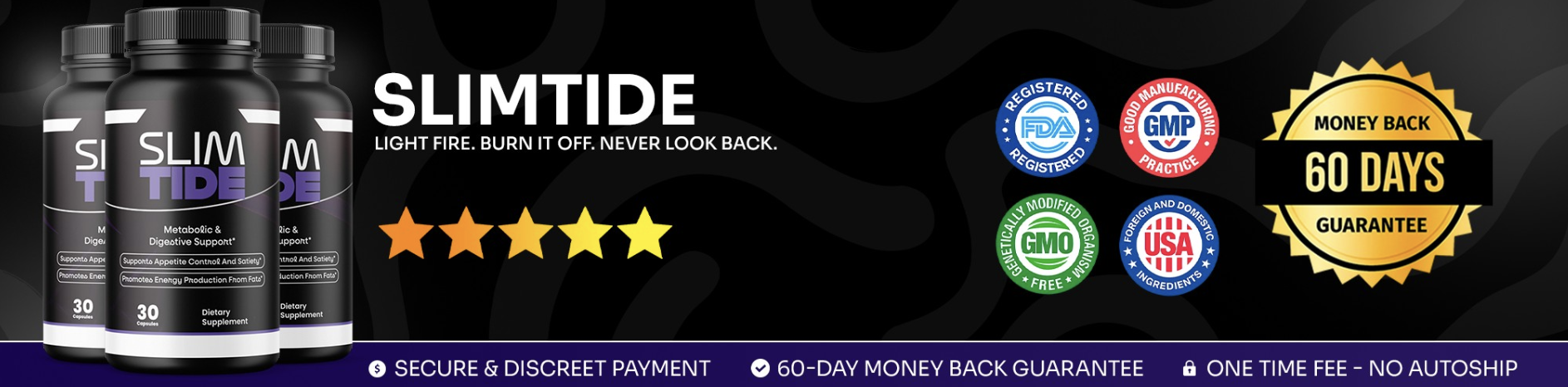
- “FDA Approved Facility”
- “Scientifically Proven”
- “60-Day Guarantee”
Many pages rely on emotional storytelling, before-and-after imagery, and urgency-based sales tactics. Consumers are frequently encouraged to purchase six-month bundles at steep discounts.
Some promotional pages also claim the supplement is “FDA approved,” though dietary supplements in the United States are generally not approved by the FDA before entering the market. The FDA regulates supplements differently than prescription medications.
Instead, manufacturers are responsible for ensuring safety and truthful labeling, while the FDA may intervene later if products are found unsafe or misleading.
Counterfeit Warnings and Consumer Confusion
In May 2026, a press release circulated warning consumers about counterfeit SlimTide products allegedly being sold through unauthorized third-party marketplaces.
The report advised buyers to avoid unofficial sellers and purchase only through “official” websites. However, the situation is complicated by the existence of numerous different websites all claiming to be the authentic source for SlimTide.
This fragmented online presence has intensified skepticism among consumers attempting to determine:
- Which formula is genuine
- Which websites are legitimate
- Whether product reviews are authentic
- Who actually manufactures the supplement
Independent fact-checking organizations have noted these concerns, describing the supplement’s online ecosystem as difficult to verify.
Regulatory Challenges in the Supplement Industry
SlimTide’s rise reflects broader issues within the global supplement market, which is projected to continue expanding rapidly over the next decade.
Unlike pharmaceutical drugs, supplements often enter the market without extensive clinical testing. Companies can make broad “structure/function” claims such as “supports metabolism” or “promotes healthy energy” without proving disease treatment effectiveness.
This regulatory environment allows wellness brands to capitalize on trending scientific language including:
- Gut microbiome
- Mitochondrial optimization
- Cellular energy
- Biohacking
- Metabolic reset
Such terms may sound medically authoritative while remaining legally ambiguous.
Health experts frequently advise consumers to approach dramatic weight-loss claims cautiously, especially when products rely heavily on:
- Celebrity-style testimonials
- Urgent sales countdowns
- “Secret discovery” narratives
- Miracle-fat-burning language
The Psychology Behind Weight-Loss Supplements
Slim Tide’s popularity also reflects the emotional realities of weight management.
Millions of people struggle with:
- Sedentary lifestyles
- Processed food environments
- Stress-related eating
- Hormonal changes
- Aging metabolism
As a result, products promising easier fat loss naturally attract attention.
Marketing strategies often tap into frustrations with:
- Slow progress
- Repeated dieting failures
- Low energy
- Body-image concerns
By positioning itself as a science-backed “missing link,” SlimTide appears designed to appeal particularly to consumers seeking a simpler alternative to restrictive dieting.
Expert Concerns About “Miracle” Supplement Claims
Nutrition researchers and physicians consistently warn that sustainable weight management rarely comes from a single product.
Most evidence-based approaches still emphasize:
- Calorie awareness
- Balanced nutrition
- Resistance training
- Cardiovascular exercise
- Sleep quality
- Stress management
- Long-term habit changes
Some ingredients commonly used in metabolic or gut-health supplements may provide supportive benefits for certain individuals. However, experts generally caution against expecting dramatic body transformation from supplements alone.
Additionally, individuals with:
- Digestive disorders
- Diabetes
- Hormonal conditions
- Medication interactions
- Pregnancy concerns
should consult healthcare professionals before starting any supplement regimen.
The Rise of “Gut Health” as a Marketing Trend
SlimTide is part of a much larger wellness movement centered around the microbiome.
Over the past several years, gut health has become one of the supplement industry’s fastest-growing categories. Probiotics, prebiotics, resistant starches, and fermented products are increasingly marketed as tools for:
- Weight loss
- Mood support
- Immunity
- Energy
- Skin health
While the microbiome is an exciting scientific frontier, many experts caution that commercial wellness claims are often advancing faster than the science itself.
The relationship between gut bacteria and obesity is real but extremely complex. Researchers still do not fully understand:
- Which bacterial strains matter most
- What doses are effective
- How diet influences microbial outcomes
- Whether probiotic supplements create lasting changes
This uncertainty creates fertile ground for aggressive supplement marketing.
Is SlimTide Legitimate?
The answer depends largely on how “legitimate” is defined.
There is currently no clear evidence that SlimTide is an outright scam product. Some ingredients associated with the supplement do have scientific relevance in digestive and metabolic research.
However, independent reviewers have also highlighted several concerns:
- Conflicting ingredient lists
- Aggressive marketing practices
- Multiple “official” websites
- Limited transparent clinical evidence
- Heavy reliance on promotional content
For consumers, this means caution is warranted.
Before purchasing any supplement, experts generally recommend:
- Verifying ingredient transparency
- Reviewing third-party testing information
- Checking refund policies carefully
- Consulting medical professionals
- Maintaining realistic expectations
The Bigger Picture
SlimTide represents more than a single supplement. It illustrates the modern evolution of digital wellness marketing — a world where:
- Scientific buzzwords drive advertising
- Affiliate websites dominate search results
- Consumer trust is difficult to verify
- Social proof shapes purchasing decisions
As interest in weight management and gut health continues to grow, products like SlimTide will likely remain highly visible online.
Whether the supplement ultimately becomes a lasting wellness brand or another short-lived internet phenomenon remains uncertain.
What is clear, however, is that the public appetite for simple weight-loss solutions remains enormous — and companies willing to package scientific terminology into persuasive narratives continue to find eager audiences worldwide.
SlimTide FAQ
What is SlimTide?
Slim Tide is a dietary supplement marketed for weight management, metabolism support, fat burning, energy enhancement, and gut health. Different versions of the product online describe it either as a mitochondrial-support formula or a gut-health/probiotic supplement.
How does SlimTide work?
According to promotional websites, SlimTide works by:
- Supporting mitochondrial energy production
- Improving metabolism
- Assisting natural fat burning
- Reducing cravings and appetite
- Supporting gut microbiome balance
Some websites claim it targets “HDAC levels” linked to fat storage, while others focus on probiotics and prebiotics for digestive support.
Is SlimTide FDA approved?
No dietary supplement is directly “FDA approved” before sale in the United States. However, Slim Tide websites state the supplement is manufactured in FDA-registered and GMP-certified facilities.
Is SlimTide safe?
SlimTide is marketed as:
- Natural
- Non-GMO
- Stimulant-free
- Gluten-free
- Plant-based
However, individuals with medical conditions, those taking medications, pregnant women, or people with digestive disorders should consult a healthcare professional before use.
How long does it take to see results?
Most promotional websites claim users may notice changes within:
- 1–2 weeks for energy and appetite
- 4–12 weeks for more noticeable weight-loss results
Actual results vary depending on diet, exercise, metabolism, and consistency of use.
Does SlimTide really help with weight loss?
There is limited independent clinical evidence specifically proving SlimTide itself causes significant weight loss. Some ingredients used in the formula have scientific research related to metabolism, satiety, or gut health, but results are not guaranteed.
Are there side effects?
Most Slim Tide websites claim there are no major reported side effects. However, some users may experience:
- Digestive discomfort
- Bloating
- Mild stomach upset
- Changes in bowel habits
This is especially possible with probiotics, fiber, or metabolic ingredients.
How should SlimTide be taken?
Most versions recommend:
- 1 capsule daily
- Taken with water
- Used consistently for several months
Some probiotic-based formulas recommend refrigeration after opening.
Is Slim Tide a scam?
There is no clear evidence proving Slim Tide is an outright scam, but consumers should be cautious because:
- Multiple “official” websites exist
- Ingredient lists differ across sites
- Marketing claims can be exaggerated
- Affiliate promotions are widespread online
Consumers should carefully verify the source before purchasing.
Does SlimTide offer a refund policy?
Most Slim Tide websites advertise a:
- 60-day money-back guarantee
- Refund upon product return
- “No questions asked” policy
Terms and conditions may vary between sellers.
Can SlimTide replace diet and exercise?
No. Health experts generally recommend using supplements only alongside:
- Balanced nutrition
- Regular exercise
- Proper sleep
- Stress management
- Long-term healthy habits
Conclusion on SlimTide
SlimTide appears to be a heavily marketed gut-health and weight-loss supplement built around probiotics, prebiotics, and metabolism-support ingredients. While some ingredients used in the formula (like inulin fiber, resistant starch, and probiotic strains) have limited evidence for digestive support and satiety, there is currently no strong independent clinical proof that SlimTide itself delivers the dramatic fat-loss claims shown in its ads.
Contact Us For Advertising
[email protected]
