
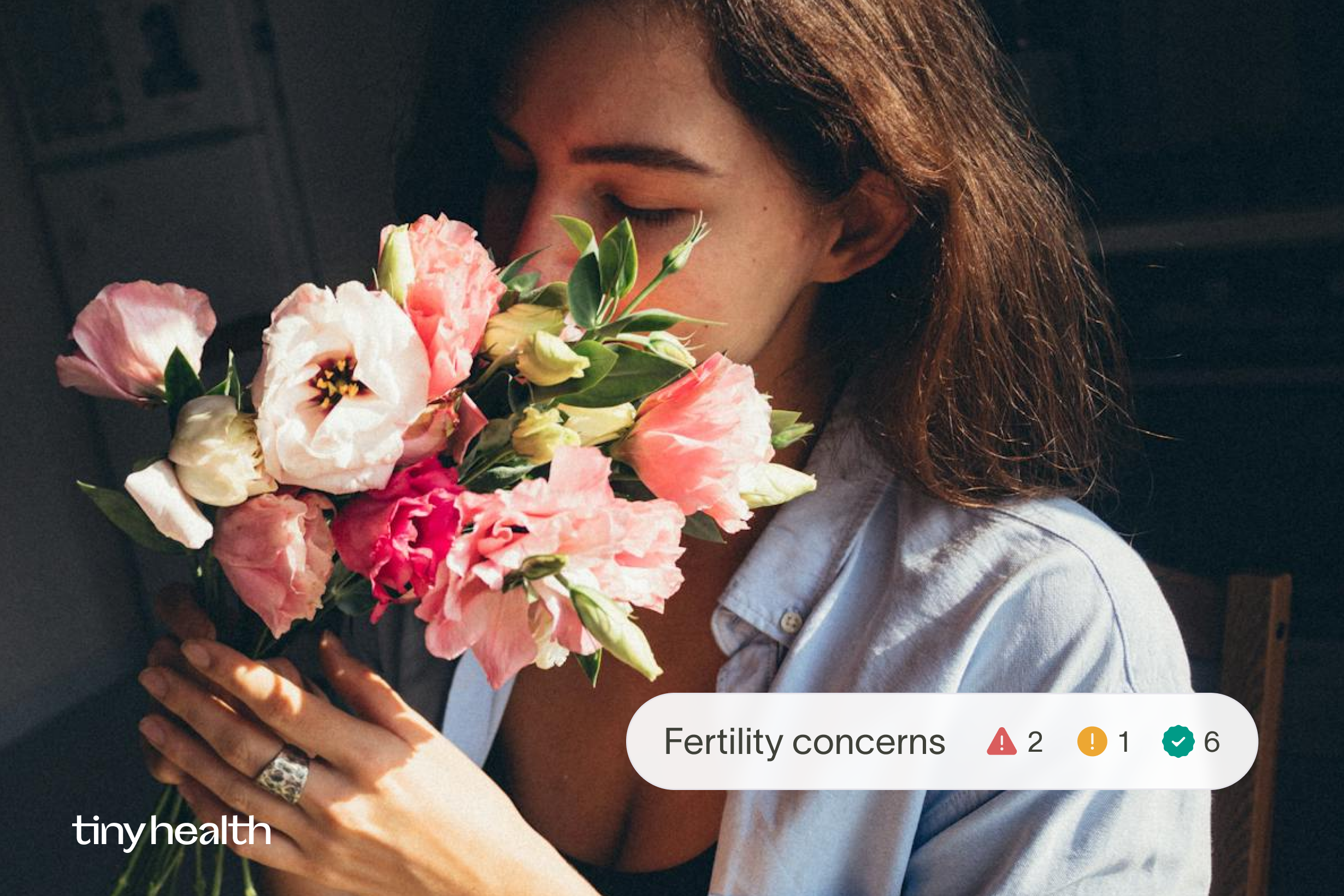
Analysis by Tiny Health found that 39% of women sampling their vaginal microbiome had low or absent Lactobacillus levels, and nearly half had at least one microbiome imbalance associated with fertility concerns
AUSTIN, Texas, April 16, 2026 (GLOBE NEWSWIRE) — Infertility affects roughly 1 in 5 women of reproductive age in the United States, and for the millions trying to conceive, the search for answers can feel overwhelming. This National Infertility Awareness Week (April 19–25), Tiny Health is drawing attention to an underexamined factor in reproductive health: the vaginal microbiome. New analysis by Tiny Health reveals that vaginal microbiome imbalances are far more common than people realize, and published research suggests these imbalances may matter for fertility.
The science: microbiomes and fertility are closely linked
Many people are familiar with the gut microbiome and its wide-ranging effects on health. Less well known is the role of the vaginal microbiome — a distinct microbial ecosystem that research increasingly shows may have a direct bearing on reproductive outcomes.
A healthy vaginal microbiome is typically dominated by Lactobacillus bacteria, which maintain an acidic environment that protects the reproductive tract from harmful microbes [1],[2]. When Lactobacillus levels fall, other bacteria can take hold. In Tiny Health’s analysis, 23% of samples showed elevated Gardnerella vaginalis and 22% showed elevated Prevotella, both microbes associated with bacterial vaginosis. These imbalances have been linked to reduced chances of natural conception and lower success rates with assisted reproductive technologies like IVF [3],[4].
The gut microbiome plays a supporting role too. Through what researchers call the gut–vaginal axis, the gut influences the vaginal environment via shared microbes, hormonal signaling, and immune crosstalk. Gut imbalances can disrupt estrogen metabolism and promote systemic inflammation, both of which affect the conditions in which eggs develop in the months before ovulation.
“For the millions of people trying to conceive, every piece of information matters,” said Cheryl Sew Hoy, Founder and CEO of Tiny Health. “The microbiome has been an invisible variable for too long, and we believe that understanding it opens doors, whether someone is just beginning or has been trying to conceive for years. Knowledge is the first step toward action.”
A clearer picture of reproductive health
Tiny Health’s vaginal microbiome test now includes fertility-specific condition associations, giving individuals a detailed look at the microbial patterns that research has linked to reproductive outcomes — along with actionable next steps. These insights are designed to complement clinical care, giving patients more to bring to the conversation.
The microbiome is modifiable — and that matters
One of the most important things to understand about the microbiome is that it can change. Unlike age or genetics, microbial balance is responsive to everyday choices, which means there are concrete steps individuals and couples can take to support their reproductive health while trying to conceive.
- Diet: A fiber-rich diet with vegetables, legumes, whole grains, and fermented foods like yogurt and kefir supports beneficial gut bacteria and helps maintain estrogen balance. Limiting ultra-processed foods and added sugar reduces inflammation that can affect both gut and vaginal health.
- Probiotics: Oral and vaginal probiotics containing specific Lactobacillus strains may help support a healthier vaginal microbiome. While evidence for direct fertility improvement is still emerging, a vaginal microbiome low in Lactobacillus is associated with lower fertility outcomes.
- Lifestyle: Regular physical activity, consistent sleep, and stable blood sugar all support the hormonal and metabolic conditions that influence reproductive health. Avoiding douching and fragranced vaginal products helps preserve the natural microbial balance of the vaginal tract.
About Tiny Health
Tiny Health is the first and only precision microbiome wellness platform designed for lifelong health. Founded in 2020 and built by microbiome scientists and physicians, Tiny Health uses shotgun metagenomics to deliver strain-level and functional microbiome insights. Trusted by 125,000+ people, Tiny Health’s research-backed gut and vaginal tests help families and practitioners address the root causes of many chronic conditions with evidence-based interventions. Learn more at tinyhealth.com.
References
[1] E. Amabebe and D. O. C. Anumba, “The Vaginal Microenvironment: The Physiologic Role of Lactobacilli,” Front. Med., vol. 5, p. 181, 2018, doi: 10.3389/fmed.2018.00181.
[2] D. J. Delgado-Diaz et al., “Distinct Immune Responses Elicited From Cervicovaginal Epithelial Cells by Lactic Acid and Short Chain Fatty Acids Associated With Optimal and Non-optimal Vaginal Microbiota,” Front Cell Infect Microbiol, vol. 9, p. 446, Jan. 2020, doi: 10.3389/fcimb.2019.00446.
[3] T. Haahr et al., “Abnormal vaginal microbiota may be associated with poor reproductive outcomes: a prospective study in IVF patients,” Hum. Reprod. Oxf. Engl., vol. 31, no. 4, pp. 795–803, Apr. 2016, doi: 10.1093/humrep/dew026.
[4] M. Maksimovic Celicanin, T. Haahr, P. Humaidan, and A. Skafte-Holm, “Vaginal dysbiosis – the association with reproductive outcomes in IVF patients: a systematic review and meta-analysis,” Curr Opin Obstet Gynecol, vol. 36, no. 3, pp. 155–164, Jun. 2024, doi: 10.1097/GCO.0000000000000953.
Media contact
Hannah Goering, Tiny Health
[email protected]
Photos accompanying this announcement are available at:
https://www.globenewswire.com/NewsRoom/AttachmentNg/2937848e-5793-4af9-9eee-96eeeaf1cd51
https://www.globenewswire.com/NewsRoom/AttachmentNg/f1cb70c5-f05f-4018-81ba-42cd3a7f407f
