
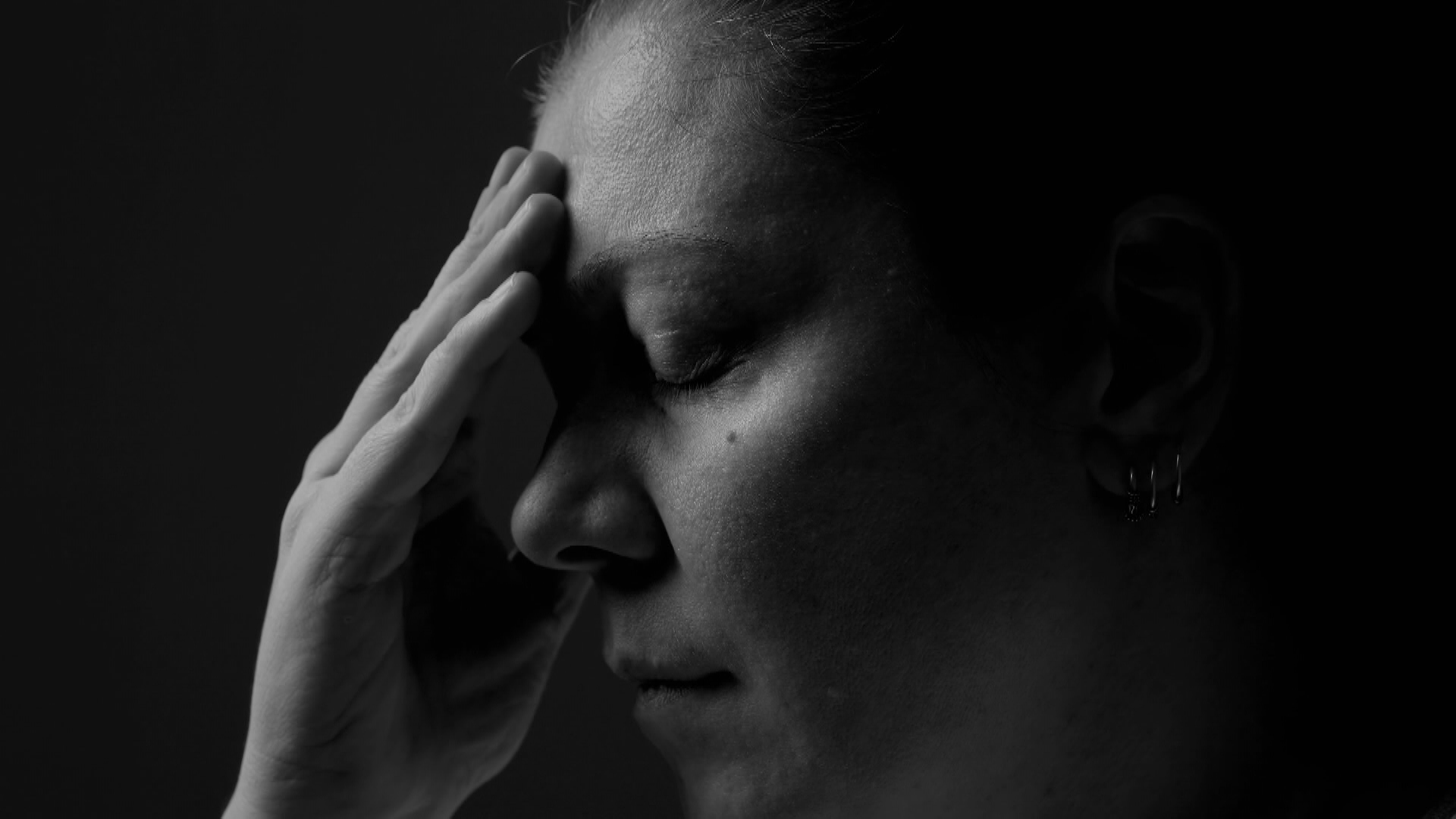
When you lose a loved one, your world can change within a matter of seconds. How a person responds to death is a totally unique experience that can come in many forms.
“Some people are more emotional … some people more cerebral…. There’s no right or wrong way; it’s how it works,” explains Brenda Gibbs, owner of Living and Loss Grief Counselling.
The “five stages of grief” are often listed as denial, anger, bargaining, depression and acceptance. But the truth is, this is not necessarily how we cope with losing a loved one.

Get breaking National news
Get breaking Canada news delivered to your inbox as it happens so you won’t miss a trending story.
“That sort of five stages of grief has largely been debunked…. Those were actually written to help a dying person see what stages they’re going through,” says legacy guide and celebrant Karla Combres, who works with individuals and families to help define and create lasting legacies. “The truth is, it’s messy, it’s not linear, you might feel one thing one second, another thing this, you might go back, you might go forth.”
And we do not grieve just the dead. Some grieve relationships ending, losing a job or even a child moving out on their own. But the common thread among all grief is the element of support needed to heal. That’s why community gatherings like “Death Cafes” were created to help people feel seen during a time that feels isolating.
“There are community gatherings meant truly just to normalize dying and death…. It’s very open-ended, usually. No proselytizing, no selling of products,” Combres says.
At the end of the day, the best way to help someone in their grief journey is to simply reach out.
“It’s about just checking in. How is your day today? If you want to offer help, be specific,” Gibbs says.
© 2026 Global News, a division of Corus Entertainment Inc.