
The Oakland-based recycling and resource recovery company serves more than 343,000 customers across Oakland and San Jose, combining material recovery operations with city-specific recycling education and property-manager support to reduce contamination.
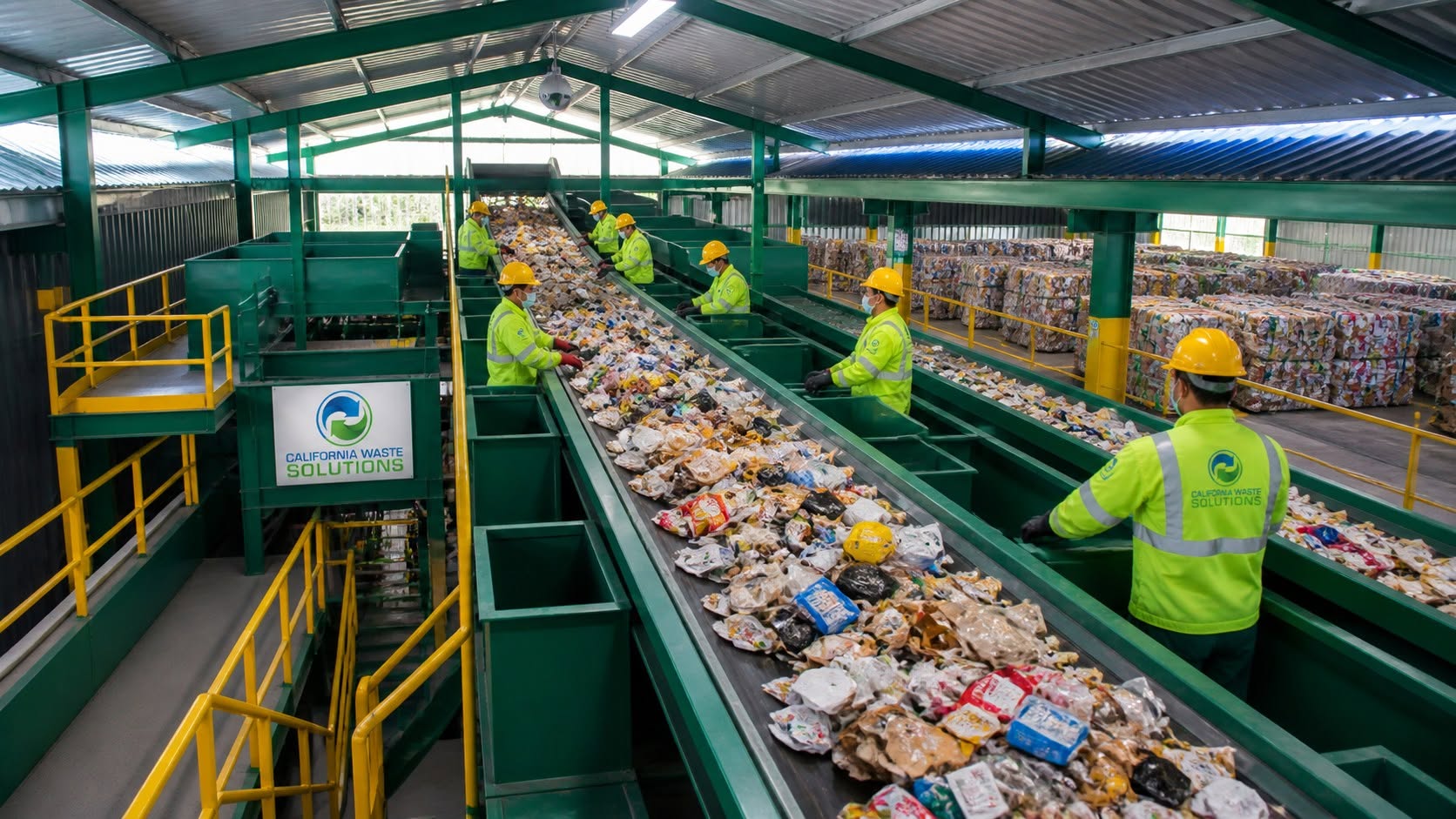
California Waste Solutions Material Recovery Facility Operations and Sorting Line
OAKLAND, Calif., Sept. 10, 2026 (GLOBE NEWSWIRE) — California Waste Solutions, Inc. (CWS) is extending its recycling education program across California to better equip the State’s residents with a greener environment. The company’s new program combines recycling education, property-manager support and facility sorting to address contamination in Oakland and San Jose. Its work extends from helping residents identify what belongs in their carts to separating collected recyclables into materials that buyers can use.
Founded in Oakland in 1992 by David Duong with eight used collection trucks, California Waste Solutions received its first City of Oakland franchise in 1993 and has served the city continuously since. The company now operates six Bay Area recycling facilities, bringing experience in collection, processing and recovered-material markets to its work with residents and businesses.
“Providing education to the public about how they can better preserve the environment around them is a cornerstone of our philosophy at CWS of constant improvement,” said David Duong, Founder & CEO of California Waste Solutions. “Our attitude is that we have the knowledge and expertise, so why not share it around? CWS is a community service company at heart.”
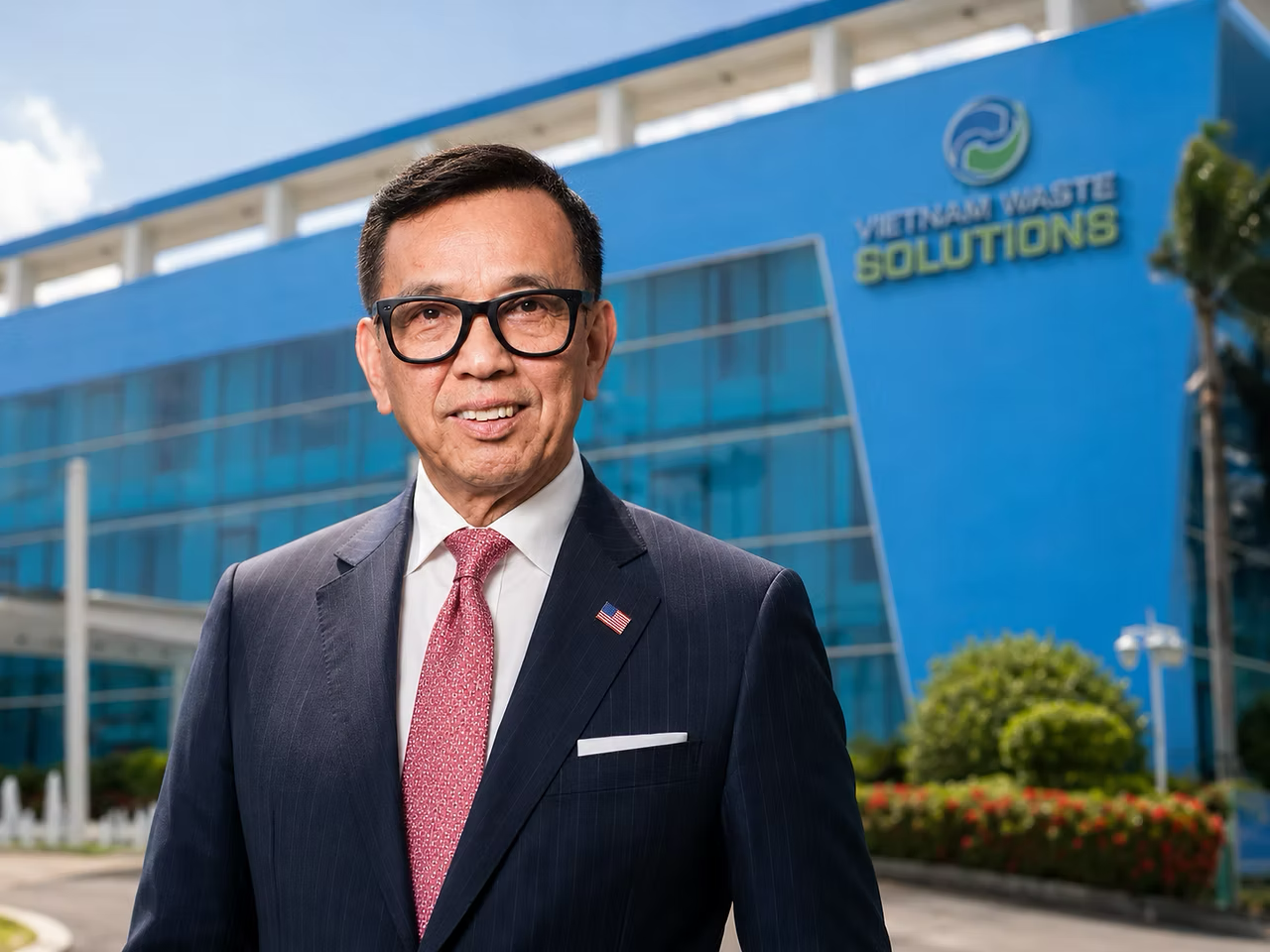
David Duong, Founder and Chief Executive Officer of California Waste Solutions and Vietnam Waste Solutions, and President of the Vietnamese American Business Association
How contamination changes the work inside a recycling facility
CWS collects mixed recyclables which it sorts into different categories such as paper, cardboard, plastics, metals and glass. The task is to recover material in grades that can move into further processing and manufacturing. Collection brings material into the system; sorting and quality control determine what can leave as a marketable commodity.
Contamination complicates that work in different ways. Food and liquids can soil otherwise recyclable paper and cardboard, while plastic bags and film can become caught in sorting machinery, slowing production or damaging equipment. Hoses and cords create similar entanglement problems, and materials requiring special handling must be kept out of the ordinary recycling stream.
At California Waste Solutions, trained employees who remove unwanted material and check the quality of recovered recyclables using sophisticated sorting equipment. Mechanics maintain the equipment, while supervisors oversee processing and customer service teams help residents resolve questions about preparation and collection. These activities connect what happens on a collection route with the work required inside the facility.
While sorting can remove many contaminants, it cannot prevent damage that has already occurred before material reaches the plant. San Jose’s recycling guidance points out that unwanted material can contaminate clean recyclables when the contents of collection trucks are mixed and compacted. Keeping that material out at the cart reduces the problems that processing crews must address later.
“It’s actually a relatively simple process to recycle goods but it’s incredibly process driven with multiple layers of operations involved,” said Michael Duong, President of California Waste Solutions. “The recycling business needs constant investment in people, training and systems.”
California Waste Solutions brings recycling education into neighborhoods
California Waste Solutions supports recycling education through school visits, neighborhood events and direct work with residents and property managers. Its outreach includes multilingual guides and sorting tools, along with conversations about unfamiliar packaging, items that require separate handling and what happens to recyclables after collection.
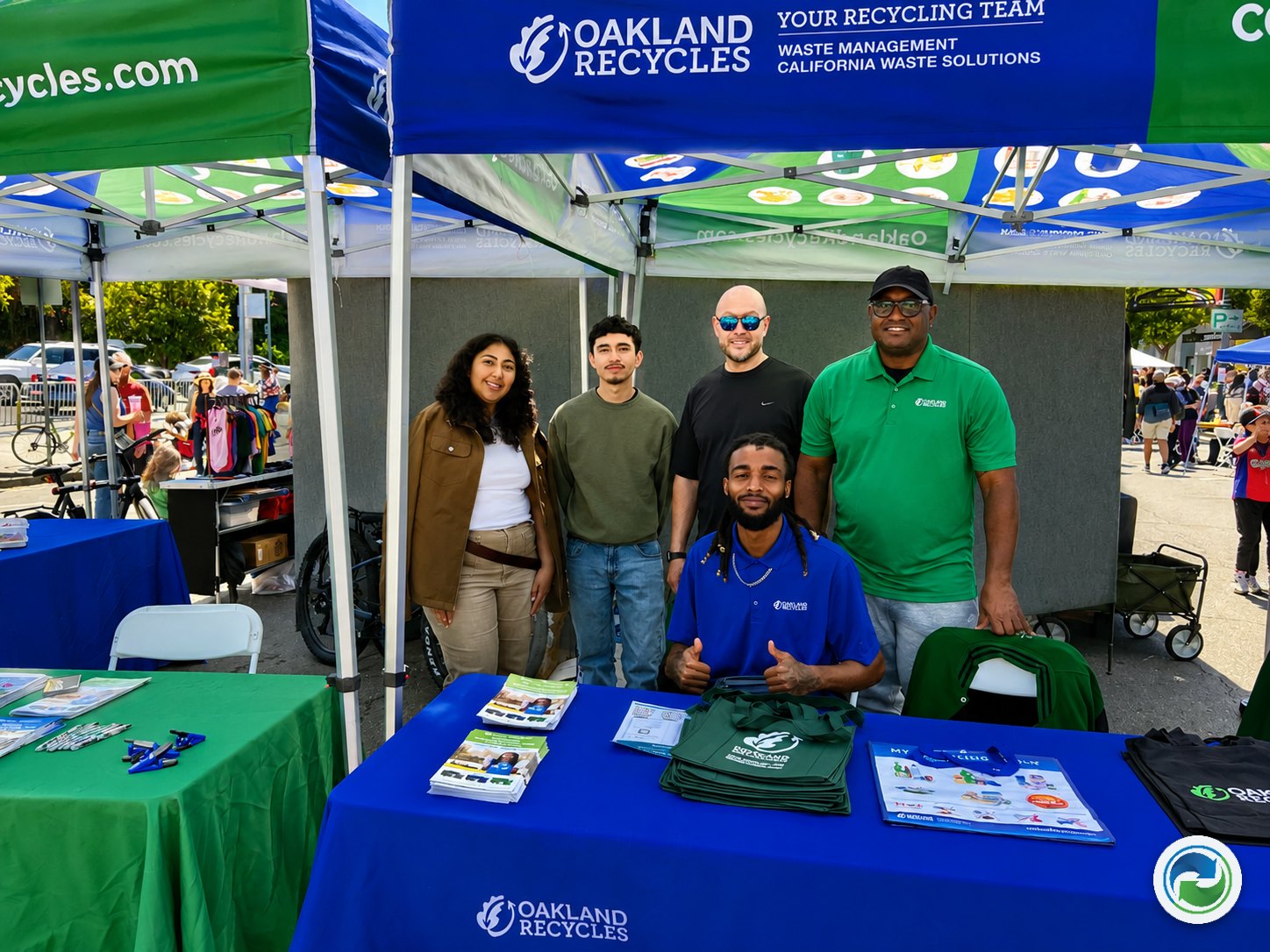
California Waste Solutions In Lakeshore Street Festival
The company’s outreach has included a street festival in Oakland’s Lakeshore neighborhood, the Oakland Housing Authority Summer Block Party and a recycling education session with a local Daisy Scout troop. These settings give people opportunities to ask questions that a cart label may not answer. They also help CWS identify where its explanations need to be clearer or more specific.
At apartment and condominium properties, recycling education has to account for shared collection areas. Many households use the same containers, so sufficient capacity, visible signs and consistent tenant information are part of making the system work. Oakland Recycles provides property managers with a toolkit and resident resources that address these needs, and here CWS supports recycling guidance and communication with building operators.
Here’s an example: a property manager might need help explaining to tenants what materials they can recycle, information on where to go and how to do it. Addressing those questions at the building gives residents instructions they can use where they dispose of material, rather than leaving the facility to deal with the same misplaced items repeatedly.
“Being part of the San Jose community means more than providing recycling services. It means listening to the people we serve, supporting local organizations, and working together to build a cleaner, stronger, and more sustainable city,” said CWS President Michael Duong.
Recovered material must meet a buyer’s specifications
The work inside a recycling facility continues after materials have been separated. Recovered commodities must meet the requirements of the mills, processors and other buyers that purchase them. Contamination requires additional processing, reduces material value or prevents a shipment from qualifying for a particular market.
CalRecycle documented a major disruption to those markets in 2018, when China’s National Sword policy prohibited imports of 24 categories of recyclable commodities and imposed tighter contamination requirements on certain other imports. The agency reported that recyclers in the United States were slowing processing lines, adding sorting labor and purchasing equipment to produce cleaner material. These were responses to destination-specific import restrictions, not a single contamination standard governing every California recycling program.
For California Waste Solutions, materials marketing and contamination prevention are connected responsibilities. The company prepares recovered material for buyers, while its education work helps customers understand the conditions that make recovery possible. A recyclable item needs both an appropriate collection route and a market that can use the material after processing.
“Education is the cornerstone of the recycling process,” said David Duong. “The more citizens and employees at every level understand the process comprehensively, the better the result and the cleaner the product and environment.”
City measurements identify where sorting problems remain
San Jose measures the contents of single-family recycling carts through its Biennial Recycling Characterization Study. According to the city, contamination fell from 57 percent in 2022 to 41 percent in 2024. Those figures describe the citywide single-family recycling program, rather than a CWS-only performance metric.
The city’s February 2025 announcement identified continuing problems with food- and liquid-contaminated paper and cardboard and plastics not accepted in the program. San Jose outlined several overlapping education efforts, including multilingual resident information and household-specific cart feedback. The findings give the city and its service providers a more specific basis for education than a general instruction to recycle more.
Oakland uses field audits to examine sorting at homes and businesses. For its November 2025 audit, the city announced that around 2% of its trash, recycling and compost containers had been randomly selected for inspection, with the work coordinated with California Waste Solutions and other service providers. The notice described “Oops!” tags explaining misplaced items and “Good Job!” tags recognizing correctly sorted containers.
Oakland also said findings from its audits had informed educational initiatives. That gives the inspection process a role beyond identifying mistakes: it connects what auditors observe with the information residents receive. A recurring problem in a collection area can then be addressed with guidance about the particular material involved.
Local recycling rules determine the correct collection route
Oakland and San Jose maintain different accepted-material lists, so California Waste Solutions provides city-specific guidance rather than a single set of instructions for every customer. A recycling symbol on packaging does not, by itself, establish that the item belongs in a local curbside cart. Residents need to check the rules of the program receiving it.
Oakland’s guidance identifies plastic bottles, jugs and tubs by shape and asks residents to keep paper and cardboard dry. San Jose maintains its own searchable list of accepted items and preparation instructions. Both programs tell residents to empty containers and place accepted recyclables loose rather than inside plastic bags, but their accepted-material lists should not be treated as interchangeable.
Separate collection programs illustrate why an item can be recyclable without belonging inside the recycling cart. In Oakland, eligible household dry-cell batteries are collected in sealed clear bags placed on top of the cart or bin. Residents should follow Oakland Recycles’ instructions for accepted battery types, separate packaging and terminal taping before setting them out.
Used motor oil and filters follow another procedure. California Waste Solutions supplies approved oil jugs and filter bags, which residents place beside the recycling cart after sealing them. Keeping these materials separate allows them to be collected through the appropriate handling process instead of mixing them with paper, bottles and cans.
Why it matters
Recycling education does not replace effective processing, and processing cannot eliminate the need for clear local instructions..
“At the end of the day, our goal is to help customers keep unsuitable items out, then sort and prepare the collected material for market,” said Michael Duong.
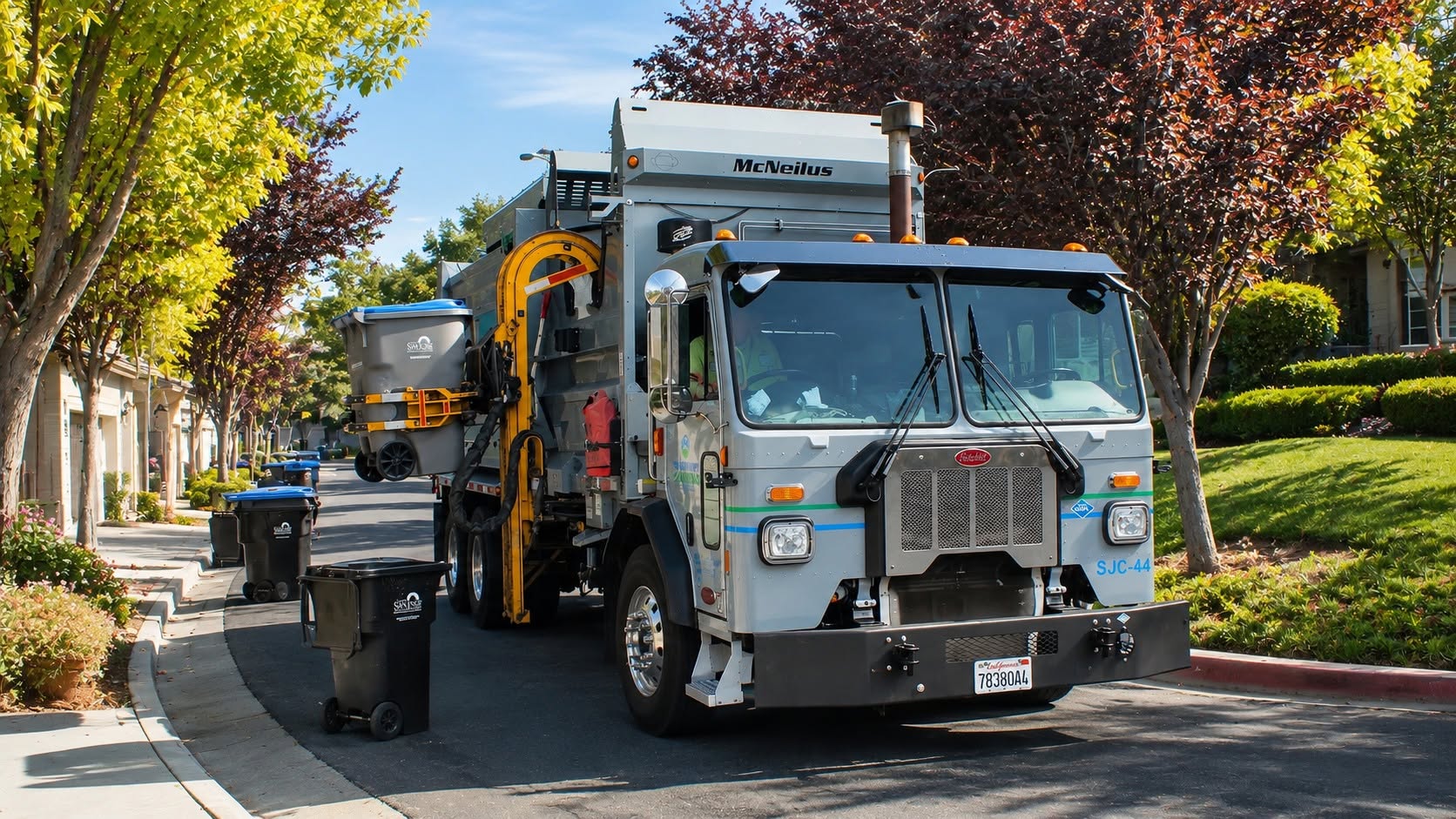
California Waste Solutions Curbside Recycling Pickup in San Jose
About California Waste Solutions
California Waste Solutions, Inc. is a family-owned and operated recycling and resource recovery company headquartered in Oakland, California. It provides recycling collection, processing, customer service and material recovery services for residential, commercial and municipal customers in Northern California. The company also operates internationally through its wholly owned subsidiary, Vietnam Waste Solutions. City-specific recycling information is available at calwaste.com.
Media Contact
Wendy Nguyen
California Waste Solutions
[email protected]
https://www.calwaste.com/
Photos accompanying this announcement are available at:
https://www.globenewswire.com/NewsRoom/AttachmentNg/6eec6284-0dee-4102-a8ed-0d080fd0e728
https://www.globenewswire.com/NewsRoom/AttachmentNg/2304192d-4192-4c54-aad8-147193036452
https://www.globenewswire.com/NewsRoom/AttachmentNg/65f571ef-6e97-4801-9142-4f4245dec492
https://www.globenewswire.com/NewsRoom/AttachmentNg/e251a551-7ba1-4488-9e35-73ac2345442e
