
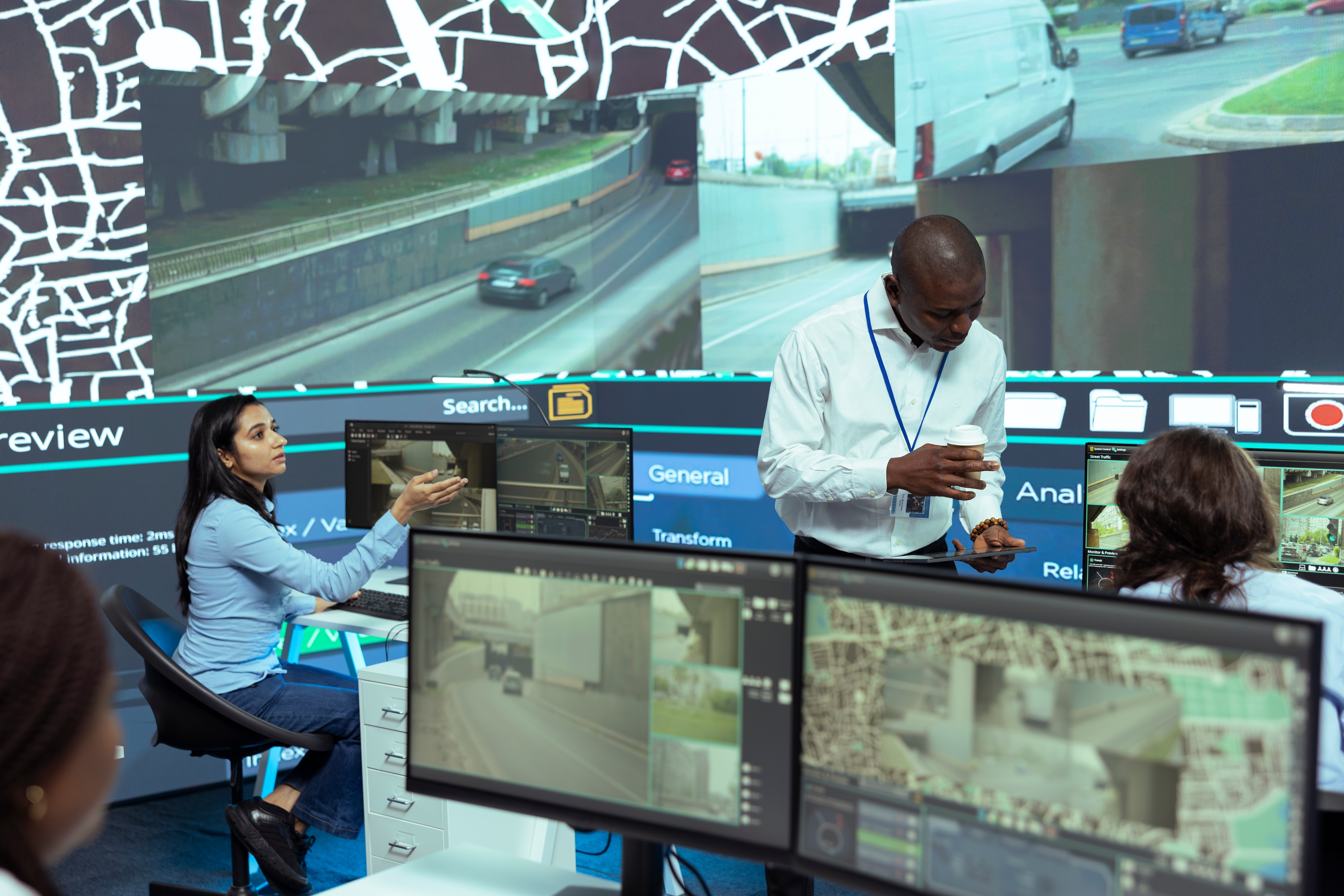
New guidance establishes a common framework for remote assistant training, qualifications, and human factors in automated driving system deployments
TROY, Mich., Aug. 25, 2026 (GLOBE NEWSWIRE) — The Automated Vehicle Safety Consortium™ (AVSC), a program of SAE Industry Technologies Consortia® (SAE ITC), today announced the publication of AVSC Best Practice for ADS Remote Assistance Training and Human Factors, providing industry guidance for the development and management of remote assistance (RA) programs that support the safe and reliable operation of automated driving system-dedicated vehicles (ADS-DVs).
As automated driving system deployments continue to expand, remote assistance has emerged as an important operational function for supporting SAE Level 4 and Level 5 ADS-DVs. The new best practice establishes a common baseline for remote assistant training, qualification, assessment, and performance-related human factors to help organizations develop consistent and scalable RA programs while promoting stakeholder confidence in automated vehicle technologies.
“As automated driving systems move toward broader deployment, the industry increasingly recognizes the importance of the human elements that support these operations,” said Darcyne Foldenauer, Executive Director AVSC. “This best practice provides organizations with a shared framework for preparing remote assistants, evaluating performance, and implementing human factors considerations that contribute to safe and reliable automated vehicle operations.”
While previous AVSC publications have addressed remote assistance use cases, this best practice focuses specifically on training frameworks, qualification processes, and human factors considerations that can help support consistency across a variety of deployment models.
Specifically, it includes:
- A framework and common terminology for remote assistant training and qualifications.
- Recommended baseline training topics and methodologies.
- Guidance for training program structures, materials, and post-training evaluations.
- Processes for recurrent and remedial training.
- Performance measurement and continuous improvement practices.
- Human factors considerations, including interface design and operator well-being.
“Building public trust in automated driving systems requires not only advanced technology, but also consistent operational practices and transparent processes,” said Erin McCurry, Principal Engineer AVSC, “By aligning the industry around foundational training and human factors guidance, this best practice supports the safe and scalable deployment of ADS technologies.”
This guidance is for ADS developers, fleet operators, and organizations involved in remote assistance operations. By promoting shared practices and continuous improvement, the publication provides guidance to support the safe, scalable, and publicly trusted deployment of automated driving systems.
Download this best practice for FREE here: AVSC Best Practice for ADS Remote Assistance Training and Human Factors
About the Automated Vehicle Safety Consortium™ (AVSC)
The Automated Vehicle Safety Consortium™ (AVSC) is an industry program of SAE Industry Technologies Consortia® (SAE ITC) focused on advancing the safe testing, deployment, and operation of automated vehicles through collaboration among leading automotive, technology, transportation, and safety stakeholders. AVSC develops voluntary, consensus-based best practices that address critical challenges facing the automated vehicle industry and help promote public trust in emerging mobility technologies. For more information about the Automated Vehicle Safety Consortium and its published best practices, visit www.avsc.sae-itc.com.
About SAE Industry Technologies Consortia® (SAE ITC)
SAE ITC is an affiliate of SAE International. SAE ITC specializes in establishing and managing consortia by providing proven processes, tools, and resources. SAE ITC enables public, private, academic and government organizations to connect and collaborate in neutral, pre-competitive forums thus empowering the setting and implementation of strategic business improvements in highly engineered industries globally. http://www.sae-itc.com.
Media Contact:
Andrew Peacock
Marketing Manager SAE ITC
[email protected]
https://www.sae-itc.com
A photo accompanying this announcement is available at https://www.globenewswire.com/NewsRoom/AttachmentNg/9181316c-7e65-4ee7-8a2e-9dd7a72972dd
